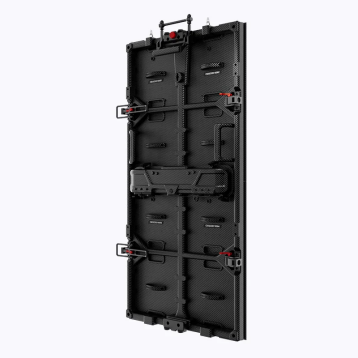
Rental display companies constantly balance performance, transportation costs, installation efficiency, and equipment durability. When investing in a new screen panel system, one of the most important decisions involves cabinet material selection. For many years, aluminum has been widely used in rental LED displays due to its strength and relatively low weight. However, carbon fiber has emerged as an alternative material that offers several operational advantages.
So, is carbon fiber actually better than aluminum for a rental led panel? The answer depends on how the display will be used, but for many rental applications, carbon fiber provides benefits that extend beyond simple weight reduction.
Weight Reduction Creates Operational Advantages
Transportation is one of the largest recurring expenses for rental display businesses. Equipment is frequently moved between venues, loaded into trucks, shipped internationally, and assembled by installation crews.
Traditional aluminum cabinets can perform well, but reducing weight often leads to measurable savings throughout the project lifecycle.
The Coblinks CL Carbon Fiber Series utilizes a full carbon fiber cabinet structure with a thickness of only 45 mm. A standard 500 × 1000 mm screen panel weighs approximately 8.5 kg, representing around 30% weight reduction compared with conventional rental cabinets.
This lower weight can reduce transportation costs, simplify handling, and decrease labor requirements during installation and dismantling. For rental operators managing multiple projects every month, these efficiencies can have a direct impact on profitability.
Structural Rigidity Matters More Than Many Buyers Realize
Weight is often the first specification buyers compare, but rigidity can be equally important.
Repeated transportation, frequent assembly, and long-term use can place significant stress on rental display cabinets. If structural deformation occurs, display alignment may become difficult, affecting overall image quality.
Carbon fiber offers a high stiffness-to-weight ratio that helps reduce cabinet deformation and vibration. The CL Carbon Fiber Series from Coblinks is designed to resist warping while maintaining structural stability during repeated use.
Its rigid frame structure supports seamless installation down to P1.9 mm pixel pitch applications, making the led panel suitable for projects requiring high image precision.
For premium rental projects, maintaining cabinet flatness is essential for achieving a professional visual appearance.
Faster Installation Improves Project Efficiency
Installation speed directly affects labor costs and project scheduling.
Many traditional display systems rely on manual alignment methods that require additional time during setup. As project timelines become tighter, rental companies increasingly seek systems that can be assembled more efficiently.
The CL Carbon Fiber Series incorporates a Fast Smart-Lock system that combines high-strength positioning pins, magnetic auto-alignment technology, and horizontal locking mechanisms.
According to Coblinks, this design can reduce assembly time by approximately 40% compared with traditional positioning-column solutions. The system also supports curved installations from -7.5° to +7.5°, allowing a single screen panel system to adapt to different stage and event requirements.
For contractors working under strict deadlines, faster assembly can translate into significant operational benefits.
Safety and Stability Cannot Be Overlooked
Rental displays are frequently installed in challenging environments, including outdoor festivals, concerts, sporting events, and large public gatherings.
In these situations, structural safety becomes a critical consideration.
The CL Carbon Fiber Series features a foldable wind-resistance framework integrated directly into the cabinet structure. Combined with reinforced hanging beams, the system supports safe installation heights of up to 20 meters.
Strong magnetic module technology further contributes to display stability. Each module is equipped with 20 high-strength magnets that help maintain cabinet flatness and secure positioning throughout operation.
These design features help ensure that the led panel remains stable even during demanding event deployments.
Maintenance and Logistics Also Influence ROI
The total cost of ownership extends beyond the initial purchase price. Maintenance requirements, spare parts management, transportation efficiency, and storage costs all affect long-term return on investment.
The CL Carbon Fiber Series supports both front and rear maintenance, giving technicians greater flexibility when replacing modules. Unified modules and control boxes help simplify spare parts management and reduce inventory requirements.
Logistics efficiency has also been considered in the product design. The system supports a 12-in-1 trolley configuration that optimizes 40HQ container loading capacity. Optional 6-in-1 and 8-in-1 flight cases provide additional protection for long-distance transportation.
In addition, crane-assisted lifting options allow large display structures to be installed more efficiently, helping contractors reduce setup times for large-scale events.
For rental operators managing extensive equipment fleets, these logistical improvements can contribute significantly to operational efficiency.
Material Choice Should Match Business Priorities
Aluminum remains a proven material and continues to be used in many rental display products. However, carbon fiber introduces advantages that can be particularly valuable for companies focused on transportation efficiency, rapid deployment, and long-term durability.
Beyond the material itself, buyers should also evaluate the engineering capabilities behind the product. Coblinks operates a self-owned 5,000-square-meter manufacturing facility with a monthly production capacity of 10,000 square meters. The company maintains ISO9001 certification, holds more than 50 patents, and supports customers in more than 25 countries through its global business network.
Evaluating More Than Just Weight
When comparing aluminum and carbon fiber, the discussion should go beyond simple weight measurements. Installation speed, structural rigidity, maintenance flexibility, transportation efficiency, and safety all influence the overall value of a rental screen panel system.
For rental businesses seeking lighter, faster, and more durable display solutions, the Coblinks CL Carbon Fiber Series demonstrates how advanced material engineering can improve both operational performance and long-term equipment utilization. By considering the full lifecycle of a led panel, buyers can make decisions that support both project efficiency and business growth.
