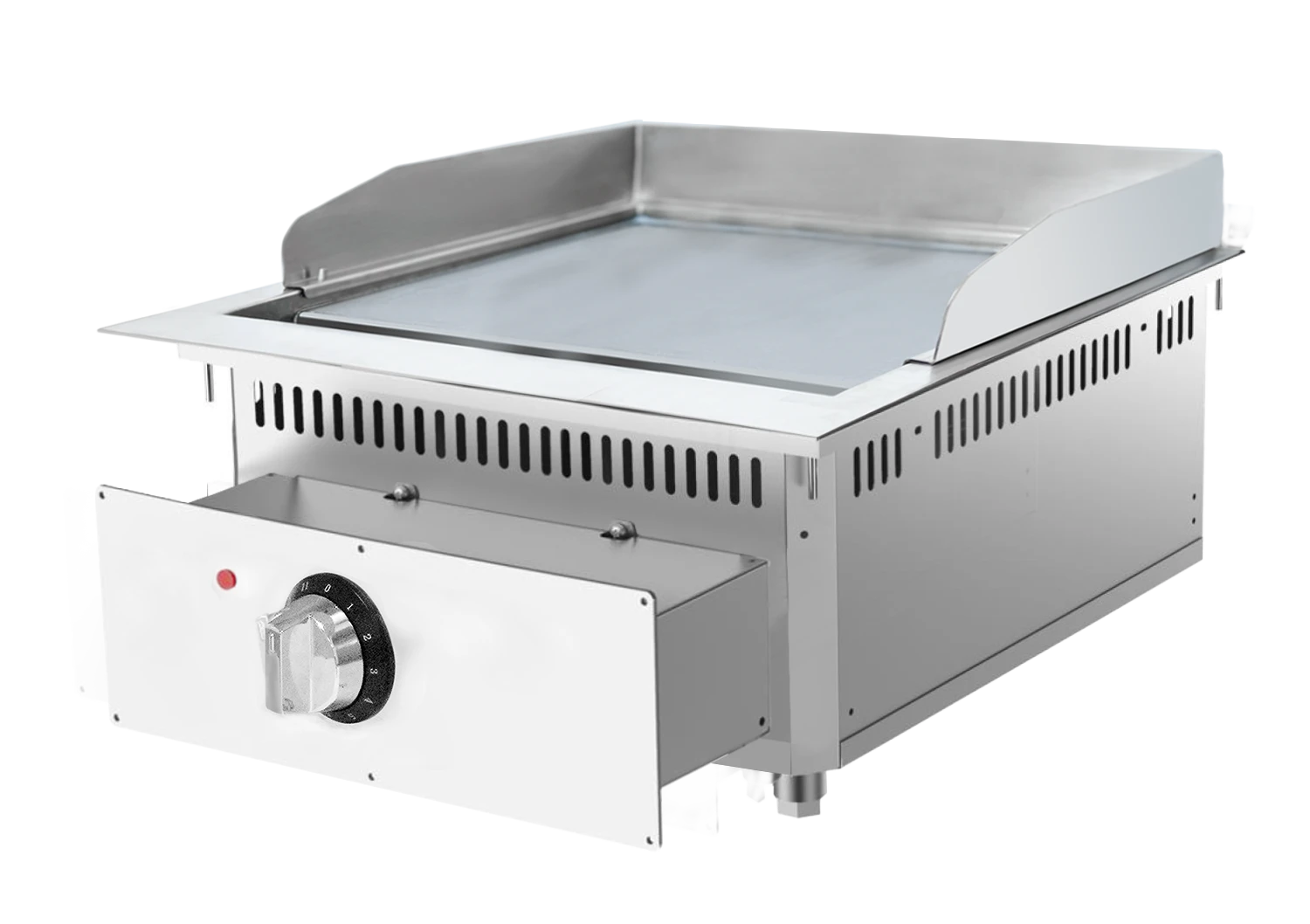
The busiest period in a restaurant usually happens within a limited service window. During this time, several orders may arrive together, requiring cooking stations to handle repeated heating, multiple batches, and continuous operation. Under these conditions, equipment capacity becomes an important factor affecting how smoothly food preparation can continue. A commercial induction range can be considered for stations where strong heat input and frequent cooking cycles are part of daily operations.
However, higher power is not automatically suitable for every cooking area. The value of high-power equipment depends on the actual workload of each station. Factors such as cooking frequency, batch size, cookware dimensions, recovery time between cooking cycles, and available electrical capacity all influence whether a unit matches the working requirements.
Identifying High-Load Cooking Stations
High-power cooking equipment is mainly useful in areas where cooking demand remains high during service. In many restaurants, different stations handle different levels of workload. Some may prepare occasional dishes, while others may be responsible for large-volume production throughout lunch or dinner periods.
High-load stations often involve repeated cooking processes, such as preparing multiple portions of hot dishes, heating large containers of ingredients, or handling continuous orders with short intervals. These tasks require equipment that can provide suitable heat input while maintaining stable operation.
Before selecting equipment, operators can review the working patterns of each station. Information such as the number of dishes prepared, average batch size, peak-hour orders, and cookware used most frequently can help identify where additional cooking capacity is needed.
This workload-based evaluation helps restaurants avoid applying the same power level throughout the kitchen. Instead, higher-capacity equipment can be assigned to areas where cooking demand is consistently greater.
How Batch Size Influences Power Demand
Batch size directly affects the amount of heat required during cooking. A small pan of ingredients and a large pot of food do not create the same demand on a cooking station. Larger cookware usually requires stronger and more stable heating to reach the required temperature within an acceptable time.
For kitchens producing repeated batches, equipment recovery ability is also important. After cookware is placed on or removed from the cooking surface, the unit may need to adjust quickly for the next cooking cycle. If the equipment does not match the workload, delays may appear during busy periods.
Cookware size should also be considered together with power output. Large pans, heavy pots, and frequent temperature changes can create different operating requirements compared with lighter cooking tasks.
Therefore, selecting cooking equipment requires more than checking the maximum power rating. The relationship between output, cookware dimensions, and production volume provides a more practical reference for equipment planning.
Supporting Repeated Cooking During Peak Service
Peak service places continuous pressure on cooking stations. A unit that performs well during occasional use may face different conditions when it operates repeatedly for several hours.
For example, a restaurant preparing similar dishes throughout the day may require equipment that can handle frequent heating cycles. Stable operation becomes important because interruptions at a high-demand station may affect the timing of multiple orders.
High-power equipment can be useful in these situations because it provides additional capacity for demanding cooking tasks. However, the purpose of higher power is not simply to increase specifications. It is to support specific working conditions where cooking demand requires stronger performance.
A practical evaluation should consider how often the equipment will be used, how much food it needs to process, and whether the station experiences regular peak workloads.
Electrical Capacity Supports High-Power Operation
Higher cooking output also requires proper electrical planning. Before installation, restaurants should carefully audit voltage, amperage, breaker sizing, wiring gauge, and dedicated circuits, review the available electrical capacity, connection requirements, and the expected operating conditions of the kitchen.
This is especially important when multiple high-power units operate during the same service period. The total electrical demand of the equipment group should be considered rather than evaluating each appliance separately.
Electrical planning also needs to match the intended location and usage pattern. A kitchen adding high-power equipment should confirm that the existing electrical system can support the expected load before final installation.
For businesses developing professional cooking equipment for different markets, these technical requirements may also influence product design. Better Induction develops electromagnetic cooking appliances and provides OEM and ODM services for different application requirements. Its experience in product development and manufacturing allows discussions to consider both equipment performance and practical operating conditions.
Evaluating High-Power Equipment for Practical Use
When selecting a heavy duty induction cooker, buyers should focus on the actual workload of the intended station. Key factors include cooking frequency, batch size, cookware dimensions, peak-hour demand, and available electrical capacity.
A high-power cooking station is most valuable when it addresses a clear operational requirement. Rather than choosing higher output for every station, operators can identify high-load areas and match cooking capacity to actual service demands.
