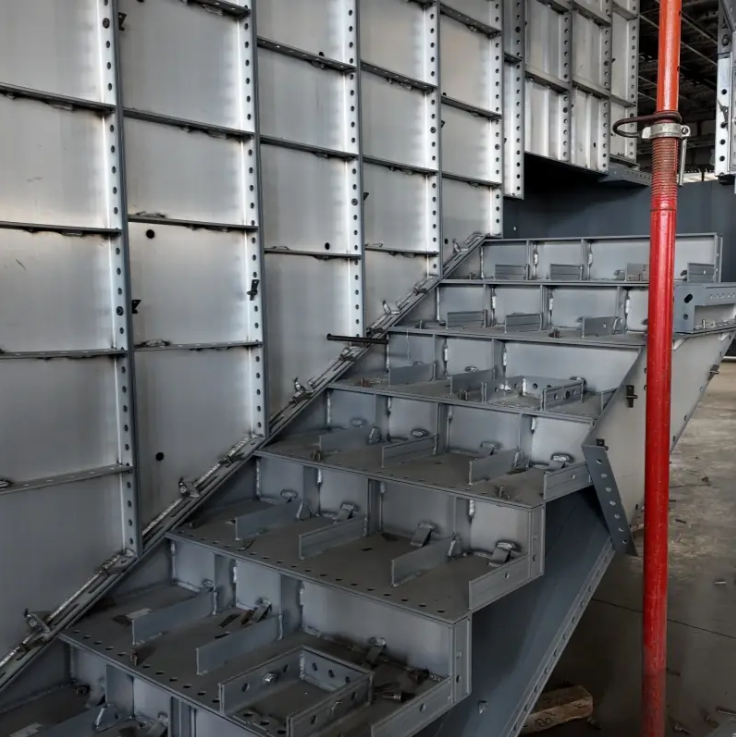
Concrete wall quality is influenced by many construction details, including formwork accuracy, panel condition, assembly methods, and site management. A suitable formwork approach helps create stable structures and reduces surface problems after concrete pouring.
For contractors and project teams, understanding how formwork details affect final results can support better planning. The choice of materials, connection design, and reuse capability all influence construction efficiency and finished wall appearance.
Reviewing Panel Precision and Surface Performance
Formwork panels directly contact fresh concrete, so their flatness and dimensional accuracy are important factors. Small gaps or uneven connections may cause visible marks, leakage, or extra surface treatment after removal.
A well-designed aluminum formwork system uses modular components that match project drawings. Accurate manufacturing helps panels fit together properly, supporting consistent wall dimensions across repeated construction sections.
The panel material also affects long-term use. Aluminum alloy provides a balance between strength and handling convenience. Compared with heavier alternatives, aluminum components are easier to transport and install during different construction stages.
The condition of the panel surface should also be reviewed before each use. Cleaning, storage, and inspection procedures can influence the quality of later concrete finishes. Proper maintenance supports stable performance throughout the service period.
Considering Assembly Methods and Structural Stability
Construction teams often work with repeated layouts in residential buildings, apartments, and commercial projects. In these situations, a practical assembly process can reduce adjustment time between floors and improve workflow coordination.
Rongze provides modular formwork solutions for concrete walls, columns, beams, slabs, staircases, and elevator shafts. Their system uses lightweight components with high strength and stability, allowing workers to assemble and dismantle parts without heavy machinery.
Connection points, support structures, and installation sequences all affect concrete results. Proper planning helps maintain alignment during pouring and reduces the possibility of surface defects caused by movement or incorrect positioning.
For site managers, installation training and drawing review are also important steps. Workers need to understand component locations, assembly order, and safety requirements before construction begins. Clear communication between designers and installers helps avoid unnecessary changes during operation.
Understanding Reuse and Project Requirements
For large construction projects, reuse performance is an important consideration. Materials that can be used through multiple cycles may help reduce replacement needs and support more predictable project budgeting.
Rongze’s aluminum formwork solution is designed for over 300 reuse cycles. It features corrosion resistance and reusable aluminum materials, which can help reduce timber consumption and construction waste in suitable applications.
When selecting aluminum concrete formwork, buyers should review project conditions, including building structure, floor repetition, labor resources, and installation requirements. These details influence whether the system matches the construction plan.
Different projects may have different priorities. A high-rise building with repeated floor designs may focus on speed and consistency, while a customized structure may require more attention to component planning and adaptability. Reviewing these factors before procurement can help create a practical construction strategy.
Evaluating Concrete Finish and Customization Needs
A smooth concrete surface depends on more than the formwork material itself. Panel accuracy, maintenance practices, and correct installation methods all contribute to the final appearance after formwork removal.
A modular system can support projects that require consistent wall finishes. The design allows customization according to project drawings and structural requirements, helping teams prepare components that fit specific building conditions.
The construction industry continues to pay attention to solutions that balance quality, efficiency, and resource use. Reusable formwork systems are often considered for high-rise residential, apartment, and commercial developments with repeated structural layouts.
Another factor is transportation and handling on the construction site. Lightweight components can simplify movement between working areas and may reduce dependence on large lifting equipment. This feature is useful when project conditions require flexible installation arrangements. The aluminum formwork system supports repeated construction needs.
Selecting Suitable Solutions for Different Projects
Before choosing formwork equipment, contractors and developers need to review several practical factors. These include structural design, construction schedule, transportation conditions, and the experience of the installation team.
The right approach is not only about selecting a material. It also involves understanding how the formwork system works with the entire construction process. Detailed planning can improve coordination between design, production, and on-site installation.
For projects requiring repeated concrete structures, aluminum concrete formwork can provide a reusable option with modular features. Its performance depends on proper application, regular maintenance, and suitable project planning.
Project teams can also compare suppliers by reviewing manufacturing capability, customization support, and quality control processes. These points help buyers understand whether a solution can fit long-term construction requirements instead of only short-term installation needs.
Improving Construction Results Through Detail Control
Wall quality is created through many small decisions during construction. Formwork details, from panel accuracy to connection design, can influence the final concrete appearance and project efficiency.
By focusing on material performance, assembly methods, and application requirements, construction teams can make informed choices. A detailed evaluation helps match formwork solutions with specific building needs while supporting stable project execution.
Modern construction projects require coordination between design, production, and installation teams. When formwork details are considered early, potential issues can be identified before they affect the construction process.
A careful review of formwork structure, reuse value, and finishing expectations provides a clearer direction for project planning. This approach helps contractors understand how equipment selection connects with final wall quality.
