Modern LED shows require much more than simply playing videos on a large screen. Concerts, stage performances, exhibitions, and immersive visual projects often involve multiple layers of content, precise timing, and synchronized control between video, lighting, and other show equipment. This is where a timeline video editor becomes an essential tool for professional LED show control.
A timeline video editor allows operators and content creators to arrange, edit, and control visual elements according to a precise time sequence. Instead of manually switching between different video files, operators can prepare complete show programs in advance and trigger complex visual effects accurately during live events.
For LED display projects, this technology improves efficiency, reduces operational risks, and helps production teams create more dynamic and immersive experiences. Kystar provides professional LED control solutions designed to support demanding applications where accuracy and reliability are critical.
What Is a Timeline Video Editor?
A timeline video editor is a software-based tool that organizes video clips, images, effects, and control commands along a visual timeline. Each element can be placed at a specific position, allowing operators to determine exactly when content appears, changes, or disappears.
Unlike traditional playback software that mainly focuses on selecting and playing media files, a timeline video editor provides frame-level control. Users can adjust the start time, duration, transitions, effects, and synchronization of different media elements.
In LED show control environments, this function is particularly valuable because large displays often require multiple visual sources working together. For example, a concert LED wall may need background animations, camera feeds, logos, and special effects to change at precise moments according to the performance schedule.
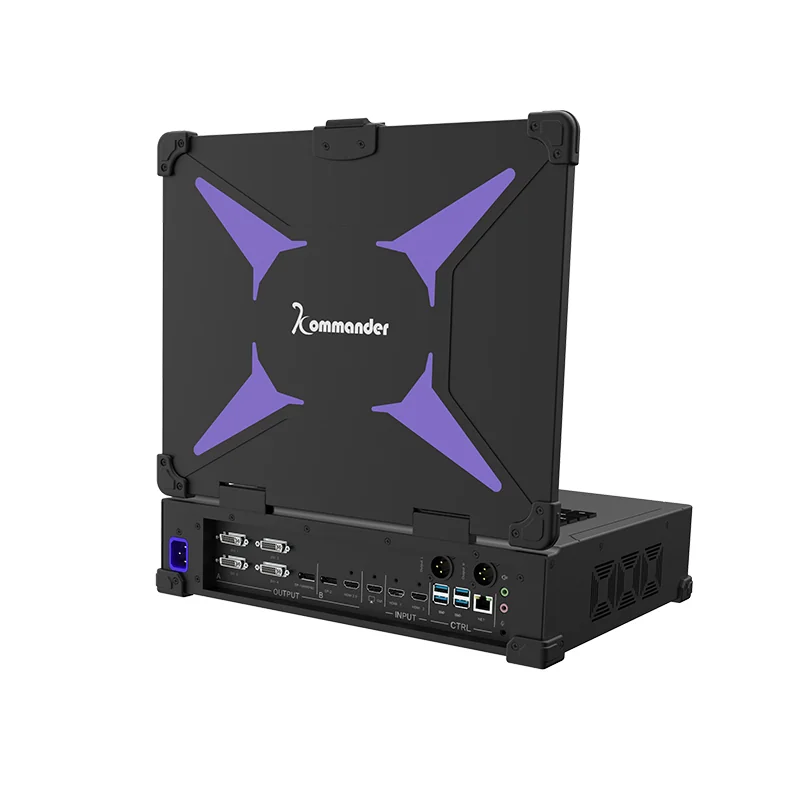
Professional systems such as Kystar’s Kommander solutions integrate timeline-based workflows to help users manage complex LED content playback with accurate timing and flexible control.
How Does a Timeline Video Editor Improve LED Show Control?
Precise Content Scheduling for Live Events
One major advantage of a timeline video editor is accurate scheduling. During a live show, every second matters. A delayed video transition or incorrect visual effect can affect the entire performance.
With timeline editing, operators can prepare the complete sequence before the event begins. They can arrange video clips, animations, and commands based on the show script, ensuring that every visual element appears at the correct moment.
This approach is widely used in concerts, theatrical productions, corporate events, and large-scale ceremonies where LED displays must follow music, speeches, or stage actions.
Multi-Layer Visual Management
Modern LED productions often require several layers of content displayed simultaneously. A timeline video editor allows users to manage multiple layers, including background videos, foreground graphics, subtitles, and interactive elements.
For example, a virtual stage may combine a real-time camera image with animated backgrounds and branded graphics. Through timeline control, each layer can be positioned, adjusted, and synchronized without complicated manual operation.
Kystar’s LED media server solutions support multi-layer content management and flexible display control, helping production teams handle creative visual requirements more efficiently.
Timeline Video Editor Features for Professional LED Applications
Frame-Accurate Control
A key requirement for professional LED shows is timing accuracy. A timeline video editor enables frame-by-frame adjustments, allowing operators to create smooth transitions and perfectly timed effects.
This capability is especially important for performances where LED visuals must match music beats, lighting changes, or stage movements. Even small timing differences can impact the audience experience, so precise control improves overall production quality.
Integration With External Show Systems
Large events usually involve multiple control platforms, including lighting consoles, audio systems, and stage automation equipment. A professional timeline video editor can work together with external control protocols to create synchronized performances.
For example, LED content can be triggered through timecode, MIDI, DMX, or network commands. This allows video operators, lighting designers, and stage technicians to coordinate their work more effectively. Kystar’s control software supports multiple control methods for integrated audio, lighting, and video workflows.
Preview and Pre-Production Capability
Another important benefit is the ability to preview programs before a live event. Operators can check content order, transitions, and effects without affecting the final LED output.
This reduces mistakes during rehearsals and allows teams to optimize the visual experience before the audience arrives. For complex LED installations, pre-production planning can save significant setup time.
Why Is a Timeline Video Editor Important for LED Show Control?
The growth of immersive entertainment and creative LED applications has increased the demand for more intelligent control systems. Traditional playback methods are often insufficient for projects requiring multiple screens, custom layouts, and synchronized effects.
A timeline video editor provides a structured workflow that transforms complicated show programming into a manageable process. Operators can prepare detailed sequences, make quick adjustments, and maintain consistent output quality throughout the event.
For rental companies, event producers, and system integrators, this means faster preparation, fewer operational errors, and greater flexibility when handling different types of LED projects.
Whether used for concerts, theater stages, theme parks, exhibitions, or XR environments, timeline-based control has become a core function of advanced LED display management systems.
Choosing the Right Timeline Video Editor for LED Projects
When selecting a timeline video editor for LED show control, users should consider several factors:
Content complexity: The system should support multiple video layers and creative effects.
Synchronization capability: Accurate timing and external control integration are essential for professional shows.
Output flexibility: The software should work with different LED screen sizes, resolutions, and layouts.
System reliability: Live events require stable operation without interruptions.
A suitable solution should not only provide editing functions but also integrate smoothly with LED processors, media servers, and complete show-control workflows.
Kystar focuses on developing professional visual control technologies that support high-quality LED display applications, helping users achieve reliable and creative show experiences.
The Future of Timeline-Based LED Show Control
A timeline video editor has become an important part of modern LED show control because it combines creative flexibility with precise technical management. It enables production teams to organize complex visual content, synchronize multiple systems, and deliver impressive audience experiences.
As LED displays continue expanding into entertainment, commercial, and immersive applications, timeline-based workflows will remain essential for efficient and accurate visual production.
For professionals seeking advanced LED control solutions, Kystar’s technologies demonstrate how integrated software and hardware systems can simplify complex visual projects while maintaining reliable performance.
