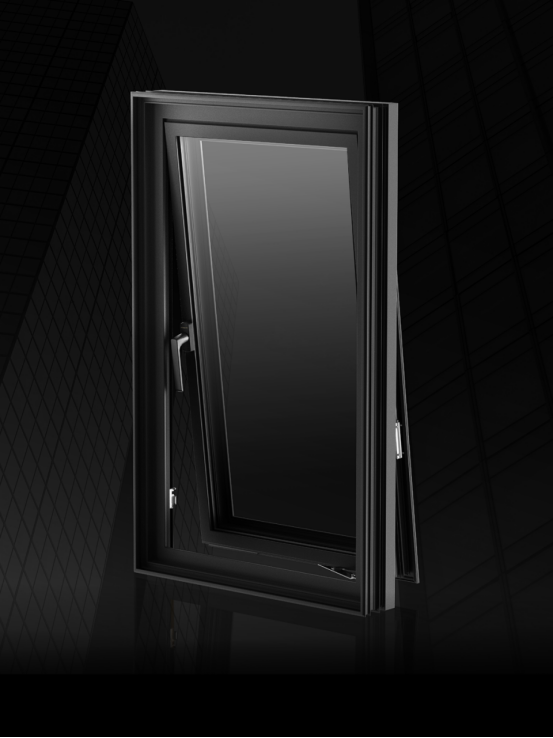
A top hung window is hinged at the top and opens outward from the bottom, creating controlled ventilation while keeping the opening partly protected. Top hung windows are often used where safety, rain resistance, and limited ventilation are important. The hardware must hold the sash, restrict the opening, and prevent improper operation. CMECH outswing casement and awning information includes hinges, sash support assemblies, restricting stays, anti-misoperation modules, and counterbalance mechanisms. The opening direction helps shed water, so sash support and lock position must remain reliable.
Opening Control Is the Main Requirement
The value of a top hung window depends on stable, predictable movement. The sash should open far enough for ventilation but not so far that it creates safety or wind risks. A restricting stay controls the opening angle, while hinges carry the sash during operation. For top hung windows, the hardware should be chosen according to sash size, installation height, local wind exposure, and whether users will operate the window frequently. For public buildings, restriction devices should be checked against safety rules and ventilation expectations.
Safety Functions Protect Users and Frames
Top-hinged designs can be vulnerable to incorrect operation if the hardware sequence is not controlled. CMECH information for related outswing and awning systems refers to anti-misoperation mechanisms and high-strength load-bearing components. Those features are important because a top hung window may be installed in schools, apartments, offices, or public corridors. The hardware needs to keep the sash stable while reducing the chance of user error. A clear hardware schedule helps installers keep every top-opening unit consistent across the project.
Applications Determine the Hardware Package
Top hung windows are suitable for spaces that need fresh air without a wide side-swinging sash. Bathrooms, stairwells, service rooms, and facade zones can benefit from this opening method. However, the same window is not appropriate everywhere. Designers should check cleaning access, insect-screen needs, handle reach, water drainage, and locking position. A top hung window placed too high may need extended controls or a different configuration.
Selecting hardware for a top-hinged opening means balancing ventilation, safety, and service access. Top hung windows should use hinges, stays, support parts, and locking hardware that match the sash and project conditions. The CMECH system information gives specifiers a way to review the components behind this opening style, from sash support to restriction devices. With the right hardware package, a top hung window can deliver controlled airflow without sacrificing stability.
