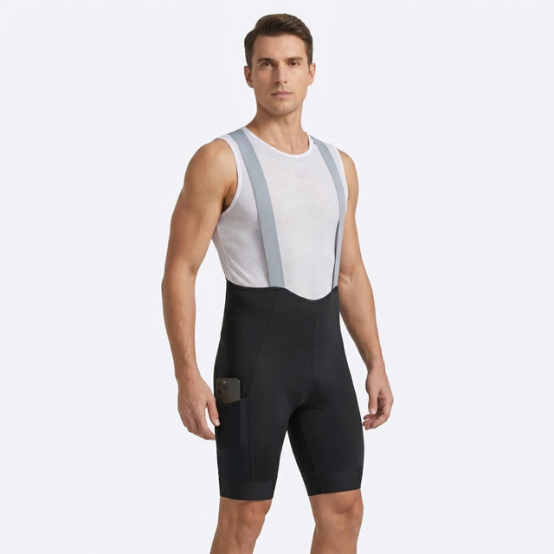
The experience of endurance cycling involves a delicate balance between physical output and environmental resilience. When riders commit to the road for several hours, the conditions within the garment become just as important as the mechanics of the bicycle itself. Maintaining optimal thermal homeostasis is not merely a matter of comfort but a significant factor in sustained athletic performance. As the body generates heat during intense aerobic activity, the ability of specialized apparel to facilitate airflow and moisture transport becomes the primary safeguard against premature fatigue. Understanding the intricacies of textile engineering and ergonomic design helps cyclists make informed decisions, ensuring their choice of gear serves as an asset rather than a limitation during grueling multi-hour excursions.
Thermal Regulation And Performance Stability
Heat buildup is the silent enemy of the endurance athlete. When ambient temperatures rise or intensity increases, the human body naturally perspires to cool down. If the garment worn against the skin lacks sufficient ventilation, this moisture becomes trapped, leading to a rise in core body temperature. Excessive heat forces the cardiovascular system to work harder, diverting blood flow to the skin for cooling rather than delivering vital oxygen to working muscles. High-performance long distance bib shorts are designed to mitigate this effect by prioritizing thermodynamic efficiency. By allowing heat to dissipate rapidly, these garments enable the rider to maintain a more consistent power output throughout the duration of a ride. When the microclimate against the skin remains stable, the body is less prone to the rapid onset of exhaustion, allowing for longer sessions in the saddle without the debilitating effects of thermal stress.
The Vital Role Of Advanced Textile Engineering
Modern fabric technology represents a significant leap forward in how apparel interacts with the rider. Synthetic fibers such as nylon and elastane are engineered to create a second-skin feel that resists moisture absorption. Unlike traditional materials that become heavy and saturated when exposed to sweat, advanced knits facilitate rapid capillary action. This process pulls perspiration away from the skin and moves it toward the outer layer of the fabric, where it can evaporate into the surrounding air. Selecting cycling bibs for long distance requires an awareness of these fabric properties, as the difference between a dry, comfortable ride and a damp, chafing experience often lies in the quality of the weave. Manufacturers utilize multi-directional stretch fabrics that ensure the garment maintains its structural integrity and compressive properties even when subjected to intense physical demand. This consistency is essential, as any sagging or bunching can create localized friction points that eventually lead to discomfort over long distances.
Integrating Airflow Within The Chamois Interface
The interface between the body and the saddle is perhaps the most sensitive region for any cyclist. An effective chamois pad provides more than just cushioning; it serves as a critical zone for moisture management. During long days on the bike, the constant contact between the skin and the saddle can create a hot, humid environment conducive to skin irritation. To combat this, reputable manufacturers integrate high-density, multi-layer foam structures that incorporate perforated designs or open-cell technology. These features allow air to circulate directly through the padding, helping to dry the area and reduce the buildup of bacteria. By ensuring that the chamois remains breathable, the rider avoids the common pitfalls of excessive sweating and pressure-related discomfort. A well-ventilated pad is the difference between a ride that feels effortless and one that is dominated by the need to shift position constantly to find relief from mounting pressure.
Compression Benefits And Muscle Support
While breathability is a key focus, the structural support provided by technical apparel remains equally important. The compression provided by high-quality gear acts as a secondary muscular system, helping to stabilize the legs and reduce the vibrations caused by rough terrain or road imperfections. When these garments are constructed with precise paneling, they offer a secure fit that supports the major muscle groups without restricting blood flow. This balance of compression and ventilation ensures that the legs remain fresh for the final kilometers of a challenging route. Riders often find that garments designed with high-stretch mesh panels on the thighs or lower back offer the best of both worlds, providing robust support while maximizing the potential for cooling airflow. By maintaining a firm fit that does not shift or rub, these garments protect the skin while reinforcing the endurance capacity of the athlete.
Building The Foundation For Endurance Success
The pursuit of excellence in cycling is often defined by the preparation and the quality of equipment utilized during training and competition. For those who frequently spend hours traversing challenging landscapes, investing in proper attire is a foundational step toward maximizing personal potential. Przewalski Cycling has dedicated significant resources to understanding the precise needs of endurance riders, resulting in a product line that emphasizes durability, thermal management, and ergonomic precision. By refining the intersection of material science and human comfort, the brand provides reliable solutions for those who refuse to let gear-related distractions hinder their goals. Whether navigating winding mountain passes or enduring the monotony of flat, high-speed roads, the right equipment allows the rider to remain focused on the path ahead. Exploring the range of Przewalski bib shorts offers a clear path toward upgrading one’s riding experience with garments that are built to perform under pressure. Every stitch, panel, and material choice reflects a commitment to the long-distance cyclist, ensuring that each ride is characterized by improved endurance, reduced fatigue, and lasting tactile comfort. For a comprehensive overview of how their specialized designs can enhance performance on the road, interested riders are encouraged to visit the Przewalski Cycling homepage to see how their engineering philosophy translates into real-world results.
