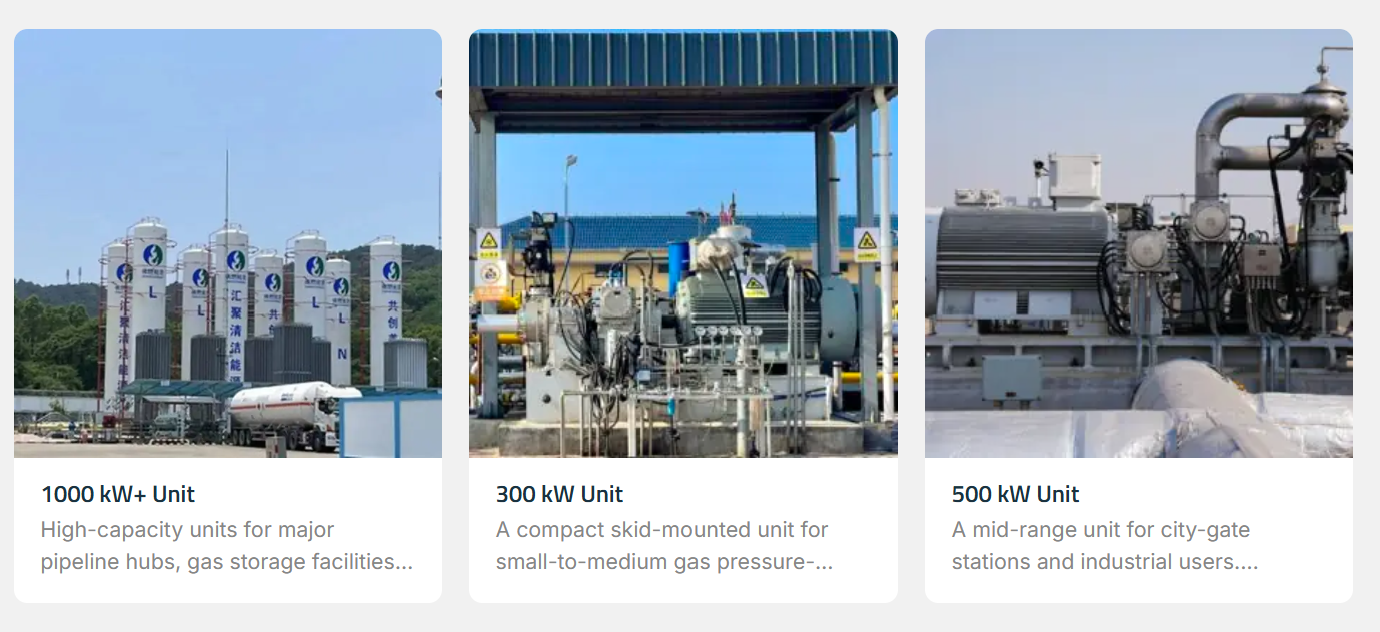
Natural gas transmission relies on maintaining high pressure over long distances to ensure efficiency. When this gas reaches local distribution networks, operators must safely reduce the pressure for consumer use. Traditionally, facilities use standard throttling valves for this task, which unfortunately dissipates the stored pressure as wasted heat and environmental noise.
Today, operators can capture this immense potential by upgrading their existing infrastructure. Specialized rotating turbines convert the pressure differential into mechanical work, driving generators to produce clean, sustainable electricity. However, successfully integrating this technology requires careful planning. Selecting the right supplier is just as critical as accurately analyzing the site data.
Procuring complex rotating machinery is a major capital investment directly impacting plant safety and profitability. To ensure operational success, engineers must systematically evaluate potential suppliers before committing to a procurement contract. This guide provides a neutral evaluation checklist, highlighting the critical questions operators must ask during the vetting process.
Assessing Upfront Engineering Capabilities
The first phase of evaluation focuses on upfront engineering capabilities. No two natural gas facilities are exactly alike. They experience unique flow profiles, fluctuating pressure differentials, and varying chemical compositions. Therefore, operators should ask exactly how the supplier models these highly specific site conditions.
Does the supplier utilize computational fluid dynamics to customize the turbine’s aerodynamic profile? Effective energy recovery equipment must be meticulously tailored to match the precise historical flow data of the facility. A generic aerodynamic design will likely struggle with efficiency during seasonal flow fluctuations.
Furthermore, operators must inquire about detailed thermodynamic analysis. Expanding gas cools rapidly, creating severe freezing risks if moisture is present. Ask the supplier how they calculate expected temperature drops and what specific pre-heating specifications they recommend to prevent hydrate formation and protect downstream piping.
Evaluating Control System Integration
Beyond mechanical design, modern turbines rely on advanced digital controls. Operators must ask how the supplier’s control panels integrate with the facility’s existing distributed control system. Seamless communication is mandatory for safe operations and real-time performance monitoring directly from the central control room.
Ask for details regarding the programmable logic controllers and remote vibration monitoring systems used. Can the equipment automatically adjust the generator load to maintain grid stability? A robust control architecture ensures the turbine operates efficiently within designated parameters, preventing mechanical stress and maximizing output.
Scrutinizing Bypass System Design
While auxiliary power generation is beneficial, the primary function of any pressure reduction station is delivering uninterrupted gas to consumers. Operators must ask suppliers how their system handles unexpected turbine shutdowns. A dedicated, fast-acting bypass system is a non-negotiable requirement for baseline facility safety.
Inquire about the specific response time of the proposed bypass valves. If the turbine trips due to a grid fluctuation or internal fault, the bypass must open instantly to maintain required downstream pressure. Evaluating how suppliers engineer this redundancy separates robust solutions from risky investments.
Reviewing Manufacturing and Testing Protocols
Once engineering is verified, the focus shifts to manufacturing quality. Ask potential suppliers about their material selection process, especially if the facility handles raw gas containing corrosive elements. The metallurgy of the turbine blades and housing must withstand these consistently harsh operating environments.
Operators should also ask where the equipment is physically assembled. Are the complex turbine impellers machined in-house using high-precision equipment? Understanding the supply chain helps gauge overall quality control. Thoroughly evaluating different turbo expander manufacturers means looking closely at their internal fabrication standards.
Equally important is the factory acceptance testing protocol. Ask if the supplier conducts rigorous mechanical run tests before shipping the unit. Comprehensive testing verifies rotor balance, bearing performance, and control logic, significantly reducing commissioning delays and unexpected issues during the final field installation.
Long-Term Service and Technical Support
High-speed rotating machinery requires precise, ongoing maintenance. Operators must ask suppliers about their long-term technical support structure. What is their typical response time for field service deployments, and do they offer remote diagnostic monitoring to identify potential mechanical issues early?
Spare parts availability is another critical question during procurement. Ask if the supplier maintains a readily accessible inventory of critical wear components, such as bearings and specialized seals. Extended downtime waiting for custom parts can quickly negate the economic benefits of the power generation project.
Finally, inquire about formal operator training programs. A responsible supplier should provide comprehensive training for the facility’s on-site personnel. Ensuring local operators deeply understand startup procedures, routine maintenance tasks, and safety protocols is essential for maximizing both equipment lifespan and daily operational safety.
Making the Final Procurement Decision
By systematically asking these critical questions, operators can move confidently beyond basic brochure specifications and marketing claims. Evaluating upfront aerodynamic modeling, bypass redundancy, manufacturing quality, and long-term service commitments provides a clear picture of a supplier’s true capabilities. This rigorous approach ensures the chosen equipment meets specific facility demands.
Investing the necessary time to carefully scrutinize these technical and operational aspects thoroughly protects the initial capital investment. A well-selected turbine will operate reliably for decades, transforming wasted pressure into a consistent stream of clean electricity while safely maintaining the primary gas distribution requirements of the local network.
Making the Final Procurement Decision Based on Technical Rigor
By systematically asking these critical questions, operators can move confidently beyond basic brochure specifications and marketing claims. Evaluating upfront aerodynamic modeling, bypass redundancy, manufacturing quality, and long-term service commitments provides a clear picture of a supplier’s true capabilities, ensuring the chosen equipment meets specific facility demands. Joulong Energy Technology Co., Ltd. develops turbine expanders and natural gas pressure differential power generation systems with in-house R&D, offering customized solutions backed by engineering support and site-specific configuration. Contact Joulong to discuss your facility’s operating parameters and receive a technical evaluation.
