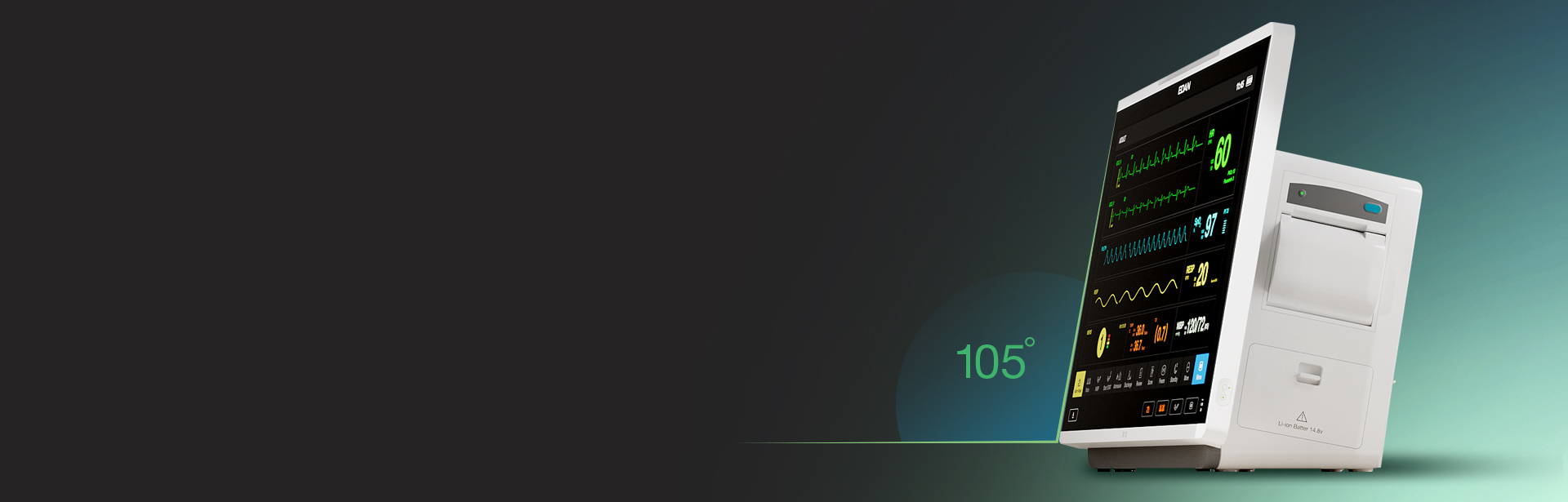
Ensuring that a hospital patient monitor delivers reliable performance over years of continuous use is important for healthcare providers. A core component of this reliability is the durability of the touchscreen interface. In bustling clinical environments with frequent cleaning and high interaction rates, touchscreens must withstand rigorous demands while maintaining accurate responsiveness. Robust touchscreen design keeps monitoring clear and dependable throughout its service life.
What Makes Medical Touchscreens Durable
Durability in touchscreen systems comes from thoughtful engineering and materials that resist wear over time. In healthcare, touchscreens face daily contact, routine disinfection with strong cleaning agents, and exposure to liquids. Medical and industrial-grade displays are built with components that resist scratches and tolerate repeated cleaning without surface degradation, unlike typical consumer screens that may lose sensitivity or clarity under such conditions. Additionally, solid-state construction with no moving parts contributes to long operational lifespans that support continuous 24-hour use in patient care areas. These qualities help ensure that the interactive surface of a healthcare monitor continues to respond accurately, even under heavy use.
Design Features That Support Long-Term Use
Industrial-grade touchscreens often incorporate anti-glare and anti-smudge coatings which not only improve visibility under bright lighting but also provide a protective layer that reduces wear from repetitive touches. The structural design typically integrates robust sealing to prevent liquid ingress during cleaning, enhancing resistance to internal damage. In environments where touchscreens are constantly used for checking vitals or adjusting settings, such resilience is essential for reducing downtime and maintenance needs. These characteristics make touchscreen interfaces on medical devices like patient monitors both dependable and enduring in everyday clinical routines.
Why Durability Matters in Healthcare Monitoring
A reliable touchscreen on a hospital patient monitor enhances workflow efficiency and reduces the risk of misinterpretation caused by unresponsive controls. It also supports infection control by enabling frequent, thorough disinfection without compromising functionality. Durable displays help facilities avoid frequent replacements and ensure that essential monitoring data remains accessible when it matters most, whether in general wards or high-acuity units.
Conclusion
Evaluating touchscreen durability is a key factor when selecting a healthcare monitor that maintains performance under constant clinical use. High-quality touch interfaces contribute to dependable monitoring, clearer interactions, and sustained visibility of vital signs. The EDAN iX Series exemplifies design focused on robust operation and comfortable interaction, making it a strong option for healthcare environments that depend on resilient monitoring tools with touch capability.
