A mattress sketch can show the intended appearance without telling a factory how to reproduce its feel. Production needs dimensions, materials, construction details, finishing instructions, and a way to recognize an acceptable result. The transition from design to manufacturing is therefore a series of decisions rather than a single handoff. Each decision should leave a record that the next team can use.
The route also depends on where the design begins. Some customers adapt an existing model and add branding; others bring a new style or specification. Both paths require a defined product before a bulk order can be made reliably. A process view reveals where creative freedom must become measurable information.
Build a Brief That Production Can Read
The initial brief identifies the intended user, size, comfort target, appearance, order volume, and packaging route. It should distinguish essential requirements from preferences that may change during development. For example, a particular bed-frame opening may impose a fixed width, while the surface fabric can be selected from several acceptable options. The distinction affects how the design team proposes alternatives.
Construction details need the same clarity. The type of spring or foam system, layer thicknesses, edge treatment, cover material, and target firmness have to be discussed as a combination. Changing one layer can alter the mattress height or feel, so a description of isolated features is not enough. A custom mattress manufacturer needs a version of the brief that resolves those interactions before sampling.
Written assumptions prevent expensive guesses. If a preferred material is unavailable, the team can identify the proposed substitute and obtain approval instead of treating it as an invisible production adjustment. The brief also tells the buyer what a sample is meant to prove. A sample cannot validate requirements that were never stated.
Custom mattress manufacturers need ranked requirements. A fixed bed-frame opening cannot be traded for a preferred fabric, while a decorative detail may permit alternatives. That ranking protects the product’s essential purpose.
Choose the Development Route and Approve a Sample
One route starts with an existing mattress design and changes its branding or selected features. Another starts with a customer-supplied design, style, and size. The second path can require more development work because the manufacturer must translate an idea into construction instructions. Neither route is inherently superior; the right one depends on how much control the customer needs over the finished product.
Suisin Furniture permits exact size changes to standard mattresses. It says a customer may choose a regular furniture design and add its own logo, or provide a different style and design. Standard product sizes can also be changed to exact requirements, and mattresses are included in the available range. That choice of starting point gives a project team a concrete question: which parts of the proposed mattress are already specified, and which still require development?
Sampling converts the selected route into an object that can be examined. Dimensions, fabric, appearance, and comfort should be checked against the written brief. If a revision follows, the changed specification and the sample version need to stay linked. Custom mattress manufacturers cannot maintain consistency when a buyer and factory approve different versions of the same model name.
Carry the Approved Design Through Production
The manufacturing instructions should reflect the approved sample, including materials, size, finish, and packaging. A production line can repeat a design only when the decisions made during development are available at the point of work. The sample therefore functions as a reference, while the specification explains what must be reproduced and what variation is permitted.
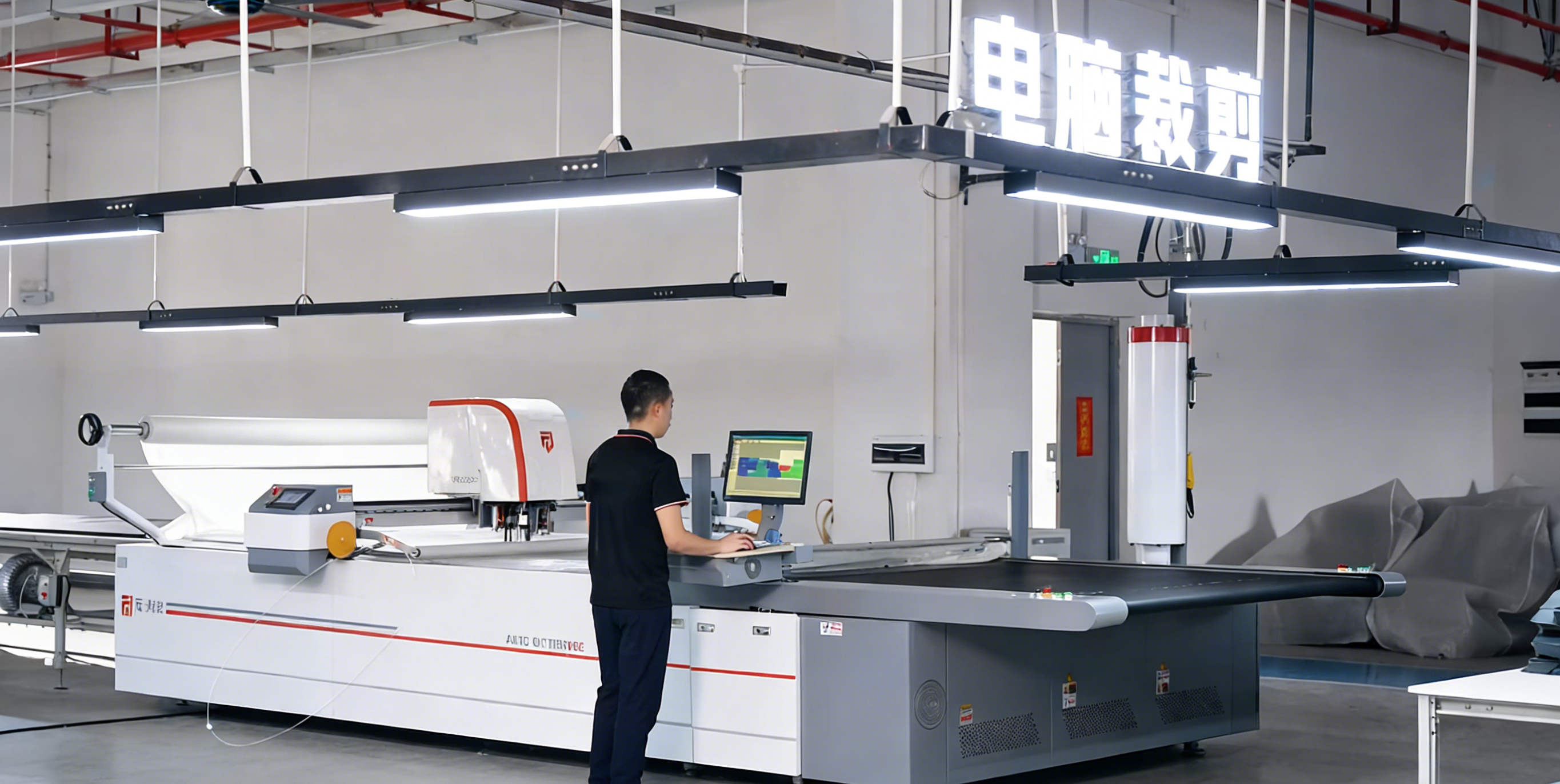
Across three production bases, Suisin Furniture describes standardized lines, including automated equipment, and repeated quality inspections. Its team of more than 50 design engineers and over 300 patents relate to development; the production question is how an approved change moves from that work onto the line. Inspectors can then compare the finished mattress with approved instructions for its dimensions, materials, finishing details, and packing requirements.
Quantity and packaging can also affect the schedule. A proposed production date should correspond to the final specification, not an earlier draft. If a logo, size, or material changes after approval, the project needs to know whether new sampling or a revised timeline is required. A custom mattress factory that records these decisions creates a clearer boundary between development and production.
Before production, custom mattress manufacturers can compare inspection findings with the approved version. Recurring variation may reveal an unclear instruction rather than one worker. Corrective action updates both the specification and the line’s checks.
Close the Loop Before the Next Order
The first bulk run is a test of the handoff as well as the product. Comparing finished units with the approved sample can expose unclear instructions, variation between batches, or packing differences. Recording those findings gives the next order a better starting point without silently changing the original design.
From design to production, the essential thread is continuity between the brief, sample, manufacturing instructions, and inspection. A custom mattress manufacturer can scale production only when the design’s approved details can be reproduced and checked after the original development conversation has ended.
