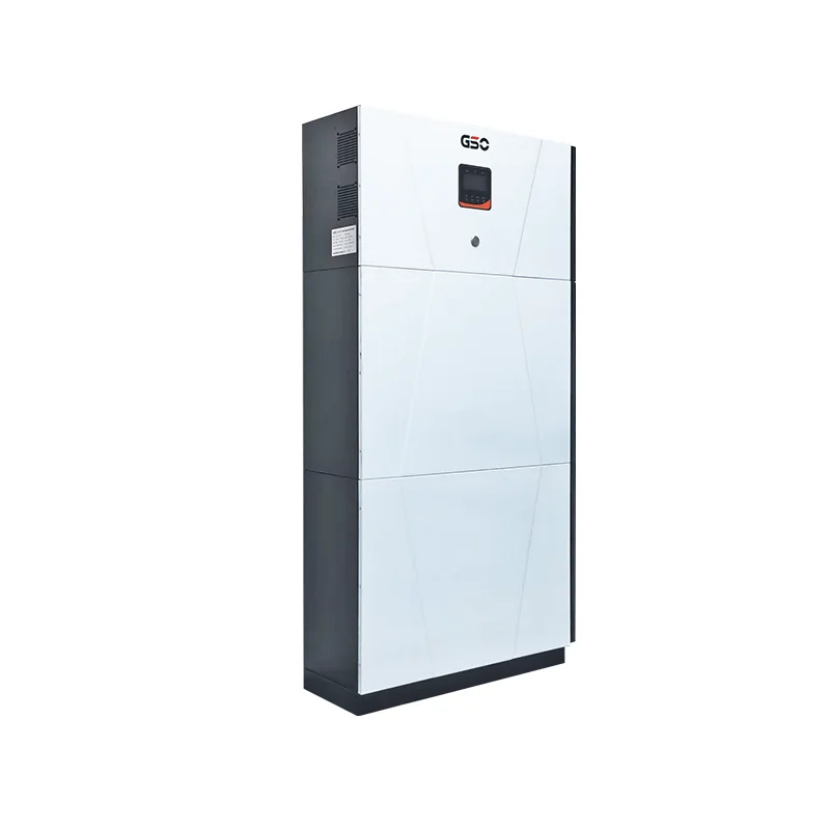
Energy storage equipment is often expected to operate for many years under changing weather and daily charging conditions. The lifespan of an integrated ESS depends on battery chemistry, thermal control, installation quality, and operating habits. In residential and commercial projects, the design of an All in One Solar Power System can reduce wiring complexity and improve system coordination when components are properly matched. GSOpower provides stacked battery storage equipment that combines inverter and battery functions in one structure, which helps installers manage space more efficiently. They also focus on practical production costs, allowing buyers to balance performance requirements with budget planning.
Battery Environment and Thermal Stability
Temperature is one of the most important factors affecting long-term ESS operation. High heat can accelerate battery aging, while extremely low temperatures may reduce charging efficiency. Many installers recommend placing equipment in ventilated indoor areas or shaded outdoor locations to limit heat buildup during summer operation. Stable charging current and controlled discharge depth also support healthier battery cycles over time. In many projects, all-in-one energy storage systems are selected because integrated communication between components can improve monitoring accuracy and reduce unnecessary power fluctuations. Moisture protection and regular cleaning also help prevent connector corrosion and dust accumulation inside the cabinet.
System Coordination and Daily Usage Habits
The interaction between the inverter, battery management system, and solar controller directly affects operational consistency. Poor communication between these parts may create unstable charging behavior or irregular voltage changes. For this reason, many users choose an All in One Solar Power System with integrated control functions instead of combining unrelated components from different suppliers. The stacked storage unit offered by GSOpower supports modular battery expansion, which can help users adjust storage capacity according to electricity demand. They also manufacture products with practical installation layouts that simplify maintenance access. In commercial applications, all-in-one energy storage systems are often used to support backup power and reduce dependence on unstable grid supply during peak periods.
Conclusion: Practical Conditions Shape Service Life
Long-term ESS performance is influenced by installation conditions, charging patterns, heat management, and equipment compatibility. Proper maintenance and stable operating environments can help reduce unnecessary battery stress over time. When users evaluate an All in One Solar Power System, they often compare structural design, monitoring functions, and maintenance convenience before purchase. In many modern projects, all-in-one energy storage systems are selected because integrated architecture can simplify energy management while supporting daily power stability.
