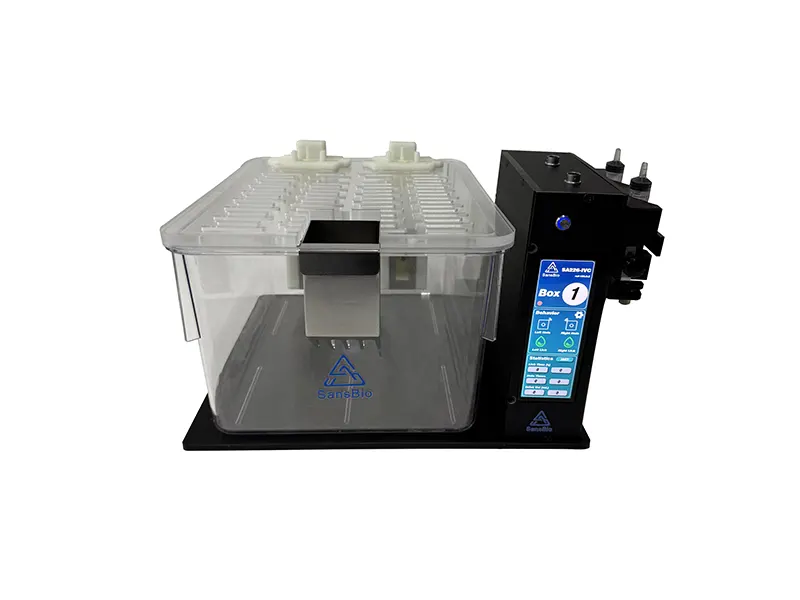
The sucrose preference test is widely used in behavioral neuroscience to evaluate reward-related behavior and anhedonia-like responses in rodents. Although the experimental principle is relatively simple, small variations in testing conditions can influence drinking behavior and affect data interpretation. Bottle position, animal adaptation, environmental conditions, and measurement accuracy all play important roles in obtaining reliable results. BioMed Easy develops life science instruments and software solutions that support behavioral neuroscience research.
The Role of Sucrose Preference Testing in Reward Behavior Research
The sucrose preference test evaluates an animal’s preference for a rewarding solution compared with plain water. By measuring the proportion of sucrose consumption relative to total fluid intake, researchers can assess changes in reward sensitivity and motivation.
This behavioral method is commonly used in studies involving stress models, depression-related behaviors, and pharmacological evaluations. A reduced preference for sucrose is often considered an indicator of anhedonia-like behavior, reflecting decreased sensitivity to normally rewarding stimuli.
However, sucrose preference results should be interpreted carefully. Reduced consumption does not always indicate changes in reward processing, as factors such as appetite, physical condition, and environmental stress may also influence drinking behavior. Therefore, standardized experimental design is essential for accurate conclusions.
Common Sources of Bias in Sucrose Preference Experiments
Although sucrose preference testing is widely accepted, several factors can introduce variation into experimental results.
Bottle position bias is one of the most common issues. Rodents may develop a preference for one side of the cage regardless of the solution provided. If sucrose and water bottles remain in fixed positions throughout testing, measured preference may reflect location preference rather than actual reward response.
Bottle-related differences can also influence behavior. Variations in bottle shape, spout accessibility, leakage, or odor may affect drinking patterns. Animals may respond differently to physical characteristics of the bottles, creating additional variables unrelated to sucrose preference.
Environmental conditions should also be controlled carefully. Factors such as lighting, noise, cage conditions, and handling procedures may affect stress levels and drinking behavior. Maintaining consistent surroundings helps reduce unnecessary experimental variation.
Building a Standardized Sucrose Preference Test Protocol
A reliable protocol begins with proper animal adaptation. Before formal testing, animals should become familiar with the bottles and experimental environment. This reduces the influence of novelty and allows researchers to measure preference behavior more accurately.
Testing conditions should also remain consistent. Researchers should maintain the same sucrose concentration, testing duration, and measurement schedule across experimental groups. Differences in these parameters may affect consumption patterns and make comparisons more difficult.
Bottle placement is another important consideration. Regularly changing bottle positions can reduce side preference and improve the accuracy of preference measurements. Recording experimental details throughout the study also helps researchers identify potential sources of variation.
Standardized procedures allow behavioral changes to be interpreted more confidently and improve the reproducibility of neuroscience experiments.
Improving Anhedonia Data Through Accurate Behavioral Interpretation
Accurate data interpretation requires more than simply measuring sucrose consumption. Researchers typically calculate sucrose preference by comparing sucrose intake with total fluid consumption, providing a relative indicator of reward-related behavior.
However, preference values should be evaluated together with other behavioral and physiological information. A decrease in sucrose intake may result from reduced motivation, altered metabolism, health changes, or differences in overall drinking behavior.
Repeated measurements can also improve the reliability of behavioral analysis. Monitoring changes over time allows researchers to identify trends and distinguish temporary fluctuations from consistent behavioral alterations.
Accurate data collection and careful interpretation are especially important in studies investigating anhedonia mechanisms, antidepressant effects, and stress-related behavioral changes.
Choosing Measurement Systems for More Reliable Sucrose Preference Studies
The accuracy of behavioral measurements can significantly influence research outcomes. Researchers should consider whether a testing system can provide consistent recording, reduce manual errors, and support efficient data collection.
Precise intake monitoring is important because small differences in liquid consumption may affect preference calculations. Automated measurement solutions can help researchers obtain more objective data compared with manual observation.
Experimental efficiency is another consideration, especially for studies involving multiple animals or repeated testing periods. A suitable system should support standardized procedures and simplify data comparison between experimental groups.
The sucrose preference test system from BioMed Easy is designed for behavioral neuroscience applications involving reward-related behavior and anhedonia research. It supports controlled measurement procedures to help researchers collect consistent behavioral data.
For laboratories using the sucrose preference test, selecting a system with reliable monitoring and standardized recording capabilities can improve experimental efficiency and data quality.
Optimizing Sucrose Preference Testing for Better Neuroscience Data
Reliable sucrose preference results depend on reducing unnecessary variables throughout the experimental process. Proper animal preparation, controlled testing conditions, and accurate measurement methods all contribute to stronger behavioral data.
Researchers conducting studies in universities, research institutions, CROs, and pharmaceutical laboratories need consistent protocols to evaluate changes in reward-related behavior effectively. Combining careful experimental design with appropriate measurement tools can improve the reliability of anhedonia-related studies.
The sucrose preference test remains an important behavioral approach for investigating reward processing and stress-related changes. By minimizing bias and improving data collection methods, researchers can better understand behavioral mechanisms associated with neurological and psychiatric conditions.
Anhedonia Research: Turning Behavioral Data Into Meaningful Insights
Sucrose preference testing provides valuable information about reward-related behavioral changes in rodents. However, meaningful conclusions depend on the quality of experimental design, consistency of procedures, and accuracy of measurement.
Reducing bottle bias and controlling external variables help researchers distinguish genuine behavioral changes from experimental artifacts. A carefully designed protocol allows sucrose preference data to better reflect alterations in reward sensitivity and related neural mechanisms.
BioMed Easy specializes in life science instruments and software for animal behavior, neuroscience, pharmacology, and physiological research. Its behavioral research solutions support universities, research institutions, CROs, and pharmaceutical companies, helping researchers conduct reliable studies involving reward behavior, anhedonia models, and neuroscience applications.
