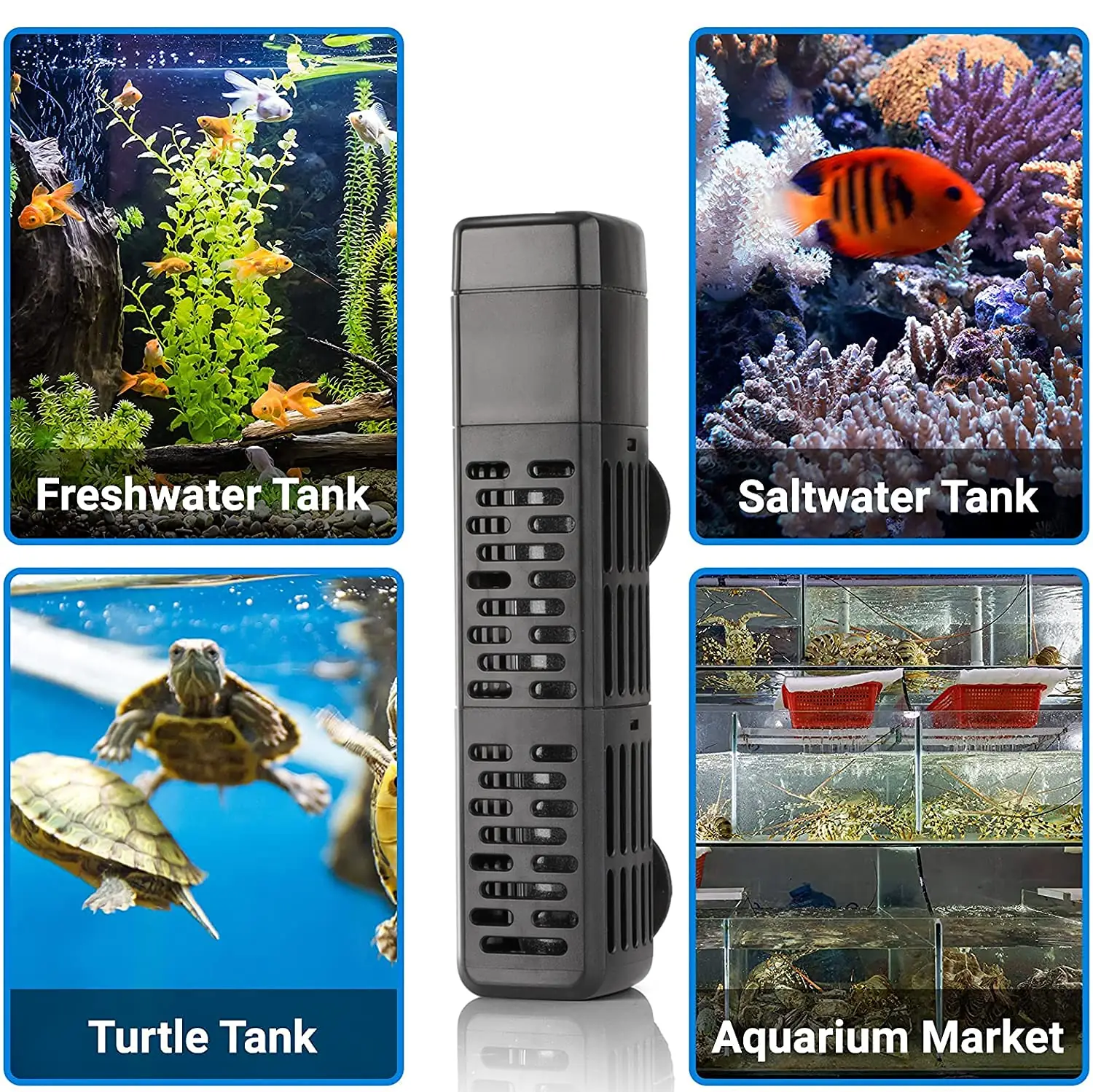
Selecting appropriate construction materials for submerged heating devices directly influences ecosystem stability and long-term hardware durability. Aquarists evaluating options often ponder a fundamental question: glass vs stainless steel aquarium heater options, which choice best suits specific aquatic setups? Incorporating reliable aquatic hardware engineered by HiTauing helps maintain environmental parameters across diverse marine and freshwater displays.
Material selection impacts thermal conductivity, impact resistance, and corrosion resistance under varying water chemistry profiles. Conducting a thorough aquarium heater material comparison enables fishkeepers to weigh thermal efficiency against potential physical risks. Choosing a proper aquarium heater preserves livestock health while protecting electrical safety within home and commercial environments.
Examining Glass Submersible Heating Systems
Quartz and borosilicate glass remain classic choices for aquatic heating components due to their total resistance to chemical corrosion. Glass housings never rust, leach heavy metals, or react with salt compounds, making them chemically inert in both marine and freshwater applications.
However, physical fragility remains a notable disadvantage. Accidental impact from heavy substrate shifting, energetic fish species, or careless handling during maintenance routines can crack outer casings. This structural vulnerability leads aquarists to question which material is safer under high-impact conditions.
Analyzing Stainless Steel Submersible Heating Systems
Stainless steel heating elements offer exceptional structural durability, virtually eliminating risks associated with shattered casing walls. Metallic bodies withstand heavy impacts from large cichlids, active turtles, or accidental drops during routine tank maintenance.
Despite impressive impact resistance, metallic alloys present limitations regarding chemical corrosion in marine environments. Prolonged exposure to high salinity levels can degrade certain metal grades over time, potentially leaching trace elements into saltwater setups.
Evaluating Material Safety in Diverse Setup Environments
Deciding which material is safer depends largely on target tank inhabitant behavior and salinity levels. Glass options excel in sensitive reef tanks where metal leaching poses risks to invertebrates, provided physical protection covers shield the tube.
Conversely, stainless steel units suit large freshwater predator tanks, turtle enclosures, and high-flow sumps where mechanical impacts occur frequently. For standard community setups, evaluating housing strength against chemical resistance guides proper equipment selection.
Advanced devices incorporate protective internal electronics alongside durable materials. Utilizing a Smart Adjustable Temperature Constant Temperature Heating Rod Aquarium Heater Fish tank Accessories featuring a nickel-chromium heating wire ensures rapid, uniform thermal transfer while maintaining precise temperature control options. When evaluating costs, glass aquarium heaters tend to be more affordable upfront, generally priced from $15 to $40. Stainless steel alternatives cost more at $40 to over $100, yet bring significantly better durability and impact resistance. For tanks under harsh operating conditions, buyers need to balance lower initial expenses against long-term hardware safety.
Selecting Hardware for Marine and Freshwater Applications
Saltwater environments demand non-corrosive materials to maintain steady chemical balances. Quartz glass constructions or specialized corrosion-resistant alloys prevent rust formation, preserving delicate coral tissue and sensitive marine fish. For long-term stability in marine systems, investing in heaters with titanium alloy housings offers superior corrosion resistance compared to standard glass models.
Freshwater aquariums allow broader material flexibility since lower mineral concentrations reduce chemical wear. Large freshwater setups benefit from high-wattage heating systems that deliver steady thermal output without overworking internal circuits.
Deploying a Smart Adjustable Temperature Constant Temperature Heating Rod Aquarium Heater Fish tank Accessories with integrated water sensors protects aquatic setups by shutting off power automatically when liquid levels drop below safety thresholds, turning indicator lights green.
Upgrading Equipment and Routine Maintenance Protocols
Regular cleaning prevents mineral scale build-up from insulating heating elements, which reduces thermal transfer efficiency. Soaking removed hardware in mild acidic solutions clears calcium deposits without damaging structural seals or casing surfaces.
Inspecting power cords and housing seals during routine water changes prevents moisture intrusion into internal circuitry. Upgrading aging heating elements before material failure occurs shields valuable aquatic ecosystems from environmental crashes.
Exploring technical details About HiTauing product manufacturing provides clear insight into material standards and engineering safety. Reviewing documentation About HiTauing hardware development helps aquarists select durable heating options for various aquatic environments.
Technical Consultation and Support Services
Replacing heating components showing erratic sensor performance or physical surface degradation preserves livestock safety. Modern units featuring digital monitoring systems allow aquarists to track water parameters accurately.
Selecting engineered thermal hardware developed by HiTauing provides reliable environmental control through advanced sensor systems and durable housing materials. For urgent troubleshooting outside standard business hours, the Contact Us portal also offers a priority ticket system to ensure rapid response from the technical support team.
To learn more About HiTauing aquatic products or review specific hardware specifications, visit the official brand platform. Reaching out through the Contact Us page connects commercial buyers and hobbyists with knowledgeable product representatives. For custom inquiries or technical support, use the Contact Us option.
Conclusion
Conducting a thorough aquarium heater material comparison clarifies key differences between glass and metal constructions. Understanding the trade-offs in a glass vs stainless steel aquarium heater evaluation enables aquarists to choose ideal gear based on salinity, tank size, and inhabitant behavior.
Evaluating which material is safer ensures long-term operational success across diverse freshwater and marine habitats. To discover tailored hardware solutions, explore information About HiTauing on official brand channels. For technical inquiries or ordering assistance, feel free to reach out via the Contact Us section.
About HiTauing
With over 20 years of expertise in aquarium equipment, we deliver reliable, innovative solutions trusted by clients in 50+ countries. Our ISO9001 certified products, global certifications, and end-to-end support make us your ideal partner for aquatic success.
