Effective navigation and precision applications in agriculture, construction, and surveying hinge on robust GNSS (Global Navigation Satellite System) technology. Understanding the accuracy and coverage provided by a GNSS base station is crucial for professionals seeking to optimize their operations.
The Importance of GNSS Base Station Accuracy
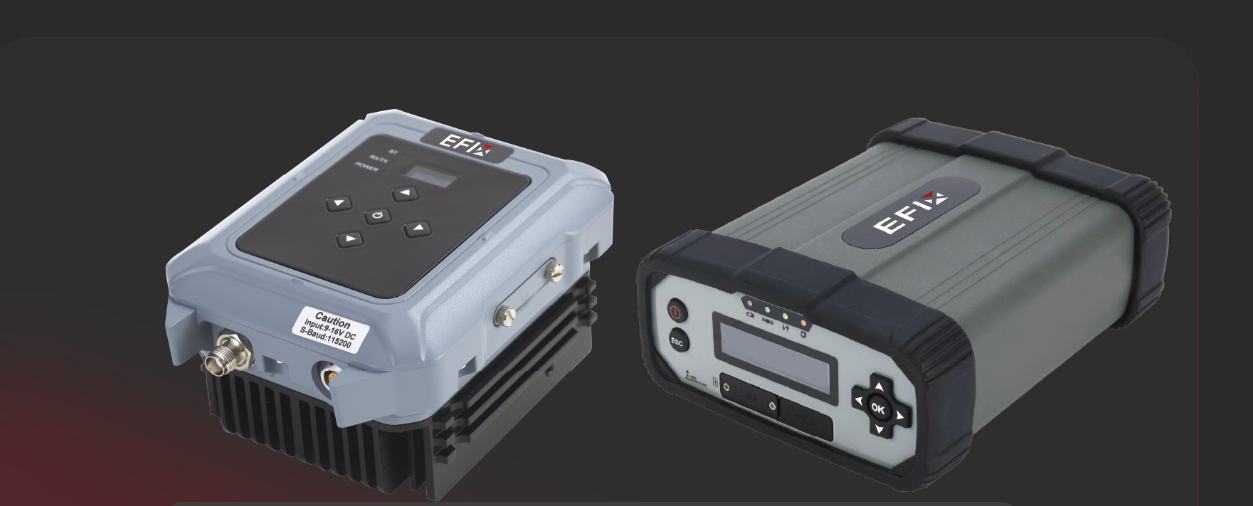
Accuracy in GNSS base stations is determined by how accurately they can receive and process satellite signals. A high-quality GNSS base station, such as the F-NET Pro Fixed Base Station, utilizes advanced technology to track signals from multiple satellite constellations, including GPS, GLONASS, Galileo, and BeiDou. Its 624-channel tracking capability ensures exceptional GNSS raw data quality, vital for precision tasks. This multi-constellation approach enhances reliability, minimizing errors caused by signal interference or obstructions.
Coverage and Its Impact on Performance
Coverage refers to the area over which a GNSS base station can effectively provide accurate corrections. Installing a well-positioned GNSS base station extends its influence, allowing multiple rovers or receivers to benefit from precise positioning. The F-NET Pro’s integrated design and reliability ensure that organizations receive continuous corrections 24/7, thanks to its IP67-rated water and dust resistance. This resilience minimizes the risk of downtime, which is crucial for time-sensitive operations in field conditions.
Partnering with EFIX for Precision Needs
For businesses seeking to enhance their GNSS capabilities, the F-NET Pro GNSS base station by EFIX stands out as a reliable solution. With its advanced tracking, flawless data integrity, and industrial-grade durability, it ensures optimal performance in any environment. By leveraging EFIX technology, industries can achieve superior positioning accuracy, translating to improved productivity and efficiency.
Incorporating a robust GNSS base station into operations is a strategic move that can significantly enhance project outcomes and drive success in today’s competitive landscape.
