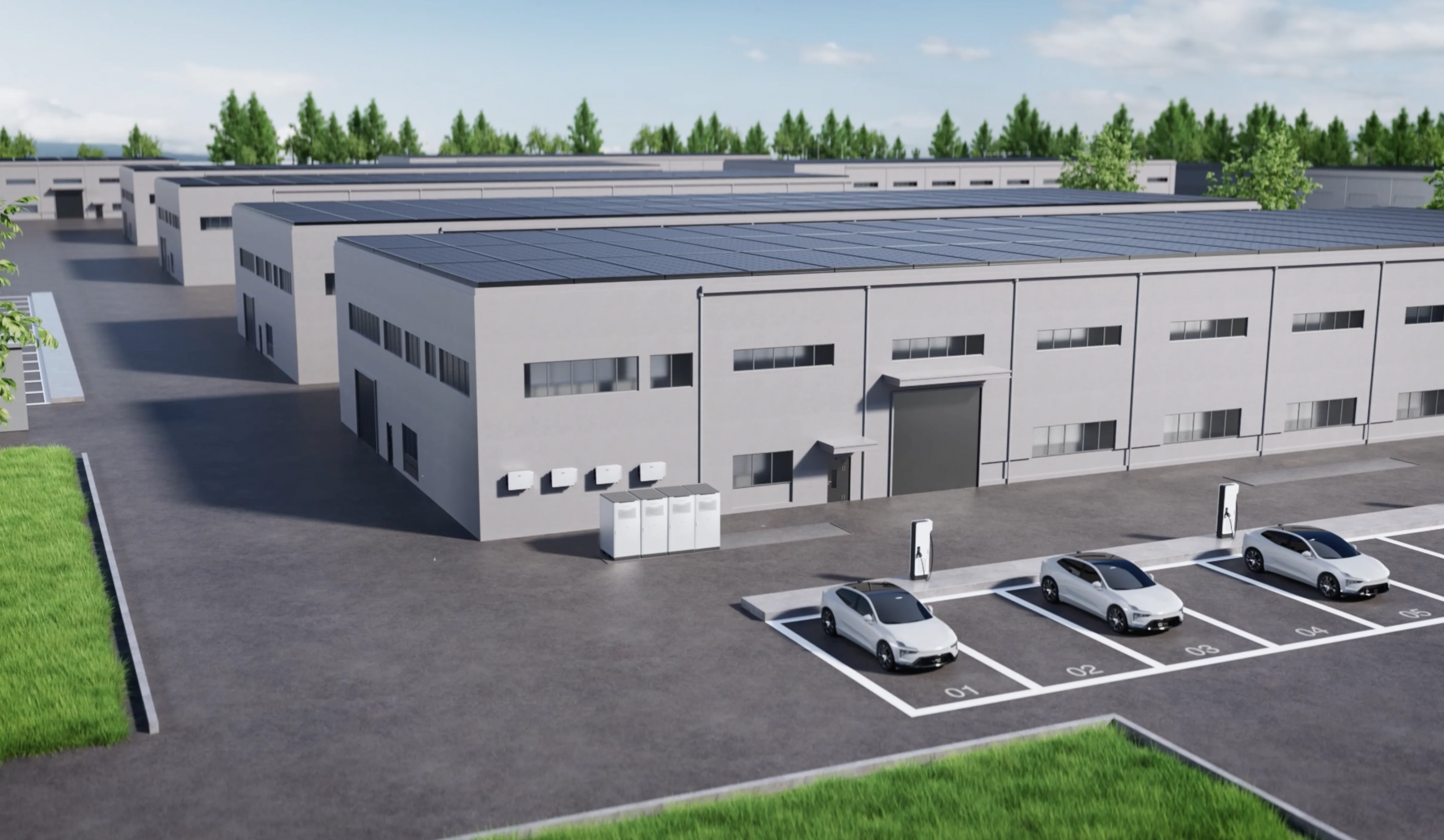
Commercial solar system continues to evolve beyond simple electricity generation. Businesses are increasingly turning to hybrid systems that combine photovoltaic generation with energy storage to make the most of every kilowatt produced. With the right setup, companies can manage consumption more efficiently and reduce energy costs over time.
Understanding Hybrid Solar and Storage for Commercial Use
Integrating battery storage with a commercial solar array lets businesses store excess power generated during daylight hours. Stored energy can then be discharged during times of high demand, helping to reduce the amount of power drawn from the grid when utility rates are highest. This process, often referred to as peak shaving, helps minimize demand charges and smooth out energy use throughout the day. Traditional solar systems send all generated power directly to loads or the grid, but hybrid systems add flexibility and timing to when energy is used.
Benefits of Storage Integration
In a hybrid commercial solar setup, energy storage plays a central role. During sunny periods, solar panels produce electricity that powers your facility and charges the storage system. When demand spikes later in the day, the stored energy can be dispatched, reducing reliance on the grid and lowering overall energy costs. Since utility tariffs often include demand charges based on peak usage, shaving these spikes can lead to meaningful savings. Integrating storage also prepares businesses for grid instability by providing a buffer and more control over energy flow.
How Sungrow Supports Hybrid Commercial Solar
The Sungrow commercial PV + ESS + EV Charging Solution is designed to fit diverse energy needs by combining inverters, batteries, and management systems in one adaptable package. This setup can be tailored to specific business profiles, helping facilities optimize self-consumption and take advantage of stored energy when rates are highest. The integrated energy management tools make it easier to monitor system performance and adjust energy dispatch.
Conclusion
Hybrid commercial solar systems that integrate energy storage offer a practical path to more efficient energy use. By shaping when solar power is consumed, businesses can reduce demand peaks, improve energy independence, and manage operating costs more effectively, all while maximizing the value of their commercial solar investments.
