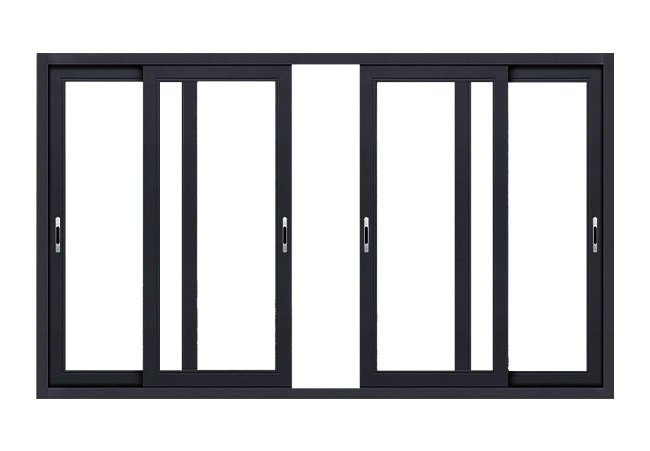
Living in a high-rise building offers breathtaking views and a sense of liberation, but it also exposes the structure to unique environmental challenges. One of the most significant concerns for architects and residents alike is wind pressure. As building height increases, wind speed intensifies, exerting a force known as “wind load” on every exterior surface. This raises a critical question: how effective are aluminum sliding windows at maintaining safety and comfort under such extreme conditions?
The Physics of High-Altitude Wind Load
Wind doesn’t just push against a building; it creates complex pressure differentials. On the windward side, positive pressure pushes against the glass, while on the leeward side, negative pressure (suction) tries to pull the window out of its frame. In high-rise environments, these forces can be several times stronger than those felt at ground level.
Modern aluminum frame sliding windows are engineered to withstand these stresses through structural rigidity. Aluminum is a non-ferrous metal with an exceptional strength-to-weight ratio, allowing it to support heavy glass panes without bowing or deforming. Under intense wind pressure, a lower-quality material might flex, causing the seals to break and allowing air and water to whistle into the interior. High-performance aluminum profiles, however, are designed to remain “plumb,” ensuring the window stays securely within its track regardless of the gusts outside.
Key Factors in Wind Resistance
To ensure a sliding window can handle high-altitude conditions, three technical elements are essential:
- Reinforced Profiles: High-rise windows require thicker wall dimensions (often 1.8mm or higher) to resist structural deflection.
- EPDM Sealing Systems: Ethylene Propylene Diene Monomer (EPDM) gaskets are used because they maintain their elasticity under pressure. In a high wind event, these seals are compressed further, actually improving the window’s air-tightness.
- Pressure-Equalized Drainage: In heavy storms, wind can “push” water uphill. Professional window systems use internal drainage chambers that equalize pressure, allowing water to escape even when external wind force is high.
Certified Strength for Peace of Mind
When sourcing windows for tall towers, look for certifications like AS2047 (Australian Standard) or NAMI (North American Fenestration Standard). These ratings indicate that the window has undergone “ultimate strength” testing—where it is subjected to massive positive and negative pressures to ensure it won’t fail during a hurricane or severe storm.
Industrial Precision by Bunniemen
Achieving this level of resilience requires more than just good materials; it requires the precision of a “smart” manufacturing facility. Bunniemen has established its position as one of the world’s top quality suppliers. With over 17 years of experience and a 3,500-square-meter production base, it is capable of manufacturing windows that meet the most stringent international safety standards.
A prime example of their high-altitude engineering is the Bunniemen 65 Series Aluminum Sliding Window. This system is specifically designed for durability and smooth operation in demanding environments. It features 1.8mm-thick thermal-insulated aluminum profiles, providing the structural backbone necessary for high-wind resistance.
The 65 Series utilizes a 5-12A-5 double tempered glass configuration, which offers not only impact resistance but also superior acoustic and thermal performance. To combat the drafts often associated with high-rise living, these windows are fitted with EPDM seals and high-quality German or Chinese hardware that keeps the sash firmly locked in place. Whether for a luxury residential tower or a commercial office, these aluminum sliding windows provide a seamless blend of expansive glass views and the industrial-grade safety required for the modern skyline.
