Longer cycles, inconsistent batches, and repeated operator corrections often appear before a food or beverage line formally identifies a mixing limitation. Equipment age alone does not prove that replacement is necessary, and one unusual batch may reflect a raw-material or operating issue.
Maintenance history belongs in the same review because mechanical wear can imitate a capacity or formulation mismatch. A stronger case comes from persistent production evidence.
High shear batch mixers should be considered only after symptoms are connected to circulation, shear, capacity, viscosity, or fine-processing needs. The following five signs show where an existing batch mixer machine may no longer match the formulation and output expected from the line.
Sign 1 Batch Time Keeps Increasing
A sustained rise in mixing time indicates that the process needs more effort to reach the same endpoint. Worn components, changed ingredients, larger fills, or weak internal circulation can all contribute, so the cause should be separated before equipment is replaced.
Production records can compare time, batch volume, and quality results under the same recipe. High shear batch mixers become relevant if the existing system cannot circulate and treat the full volume within the required schedule.
A new batch mixer machine should be assessed by its ability to restore the process window, not merely by a higher motor rating. Trend data is stronger than two isolated production days. The review should separate persistent change from normal variation and note maintenance or recipe revisions.
Sign 2 Product Uniformity Varies from Batch to Batch
Repeated differences in texture, dispersion, or emulsion quality point to uneven treatment or an unstable operating method. Quality data reveals where variation appears and whether operator timing or manual additions are masking a mixing problem.
High shear batch mixers combine circulation with localized shear, but the working-head structure must suit the material and intended result. An upgraded batch mixer machine is justified when the current unit cannot deliver repeatable internal movement or sufficient treatment across the normal production range, despite consistent ingredients and operating controls.
Sign 3 Operators Depend on Manual Corrections
Frequent extra mixing, vessel scraping, repeated sampling, or informal changes to sequence suggest that the documented process no longer produces a reliable result. Such workarounds raise labor demands and make one shift behave differently from another.
The line should record which correction was needed, where material accumulated, and whether the change actually restored quality. High shear batch mixers may address a verified circulation or shear gap, but they should not be used to hide an uncontrolled recipe.
A suitable batch mixer machine must reduce dependence on individual judgment through a more stable material path. Operator notes can expose patterns that cycle records miss. Repeated extensions, sequence changes, or interventions at certain fill levels show where the standard procedure has lost control.
Sign 4 New Formulations Exceed the Existing Viscosity Range
Higher viscosity changes circulation and can prevent material from reaching the active zone evenly. The original mixer may have been adequate for thinner recipes but unable to combine strong bulk movement with the required shear for a new product.
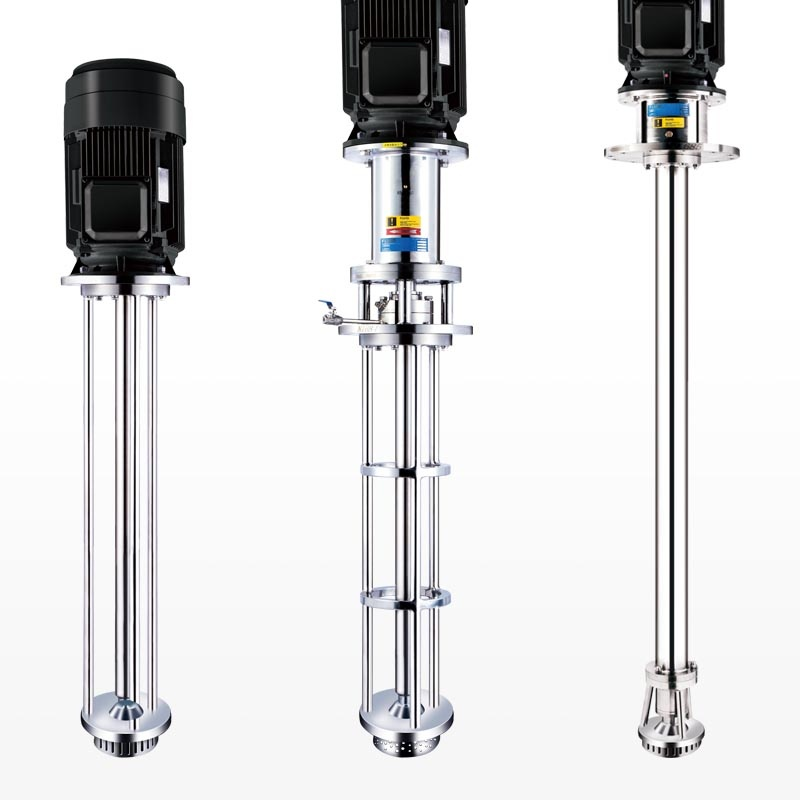
An eccentric K-type rotor and multi-aperture stator form the working structure of FLUKO’s FM/FMB/FMS top-loading series, which is intended for medium- to high-viscosity dispersion, emulsification, and mixing.
That design example shows why high shear batch mixers need to be matched to formulation behavior. A batch mixer machine upgrade should solve the identified flow and treatment requirement rather than rely on a general viscosity claim.
Sign 5 Capacity Growth Creates Circulation Gaps
Larger batches can expose dead regions or extend the path material must travel before receiving adequate treatment. FLUKO’s FAE/FME/FUE/FAEP bottom-loading series is designed for thorough internal circulation with shearing, dispersion, and emulsification and offers multiple working heads for different processes.
Its capacities span small production units through models rated for several thousand liters of water. Those options illustrate how high shear batch mixers can be configured across scale. The next batch mixer machine still needs to be evaluated against the actual food or beverage formulation, vessel volume, and required processing result.
Scale review should compare working volume rather than total vessel size alone. Minimum and maximum fills can change immersion, circulation paths, and the time needed for all material to reach the active region. A planned capacity increase is credible only if the proposed configuration covers the full production range, including smaller campaigns that may still remain necessary.
Use Several Persistent Signals Before Approving an Upgrade
The strongest upgrade case combines trend data rather than relying on a single complaint. Batch time, quality variation, operator intervention, formulation changes, and capacity limitations should be reviewed together and traced to technical causes. FLUKO includes food among the industries served by its dispersing, emulsifying, and mixing technology and offers fine-processing options for emulsions and suspensions.
Those facts can inform a comparison of high shear batch mixers after the required capability has been defined. An equipment change is warranted when multiple verified signals show that the current batch mixer machine no longer supports the process window.
