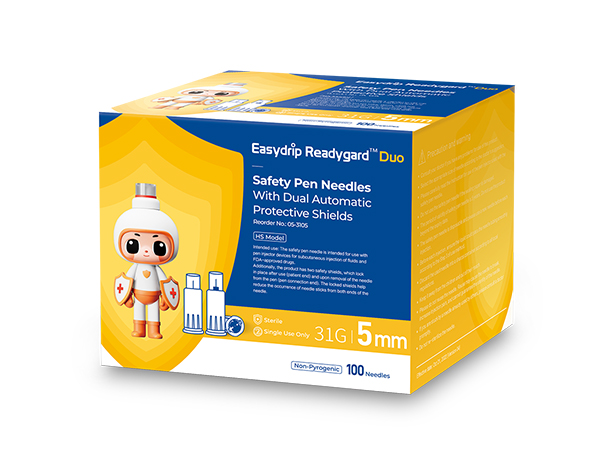
Consistent medication delivery frequently forms the foundation of effective diabetes management. For individuals requiring daily therapy, the tools utilized to administer doses typically play a critical role in the overall experience. While gauge and length are important specifications, the condition of the needle before and during use also affects injection safety and comfort.
A smooth, comfortable procedure usually relies on the precise condition of the medical consumable. When patients utilize high-quality diabetic pen needles, they can often reduce the physical sensation associated with tissue penetration. However, if the structural condition of the instrument is compromised, the likelihood of experiencing discomfort generally increases significantly.
Recognizing the factors that influence structural degradation may help individuals optimize their daily care routines. The tip of the instrument is typically engineered with microscopic precision to ensure a gentle entry. Understanding how this delicate engineering interacts with the skin over time is usually highly beneficial for maintaining a sustainable therapy regimen.
The Microscopic Anatomy of Delivery Tools
Modern medical consumables are frequently manufactured with highly advanced techniques. The tips are usually constructed featuring multi-facet bevels, which are essentially angled cuts designed to create an ultra-sharp point. This sophisticated shaping typically allows the instrument to glide through the subcutaneous layers with minimal resistance, which generally promotes a more comfortable user experience.
In addition to the physical shape, high-quality options are often coated with a medical-grade silicone lubricant. This lubrication layer is primarily intended to reduce friction during insertion and withdrawal. When the instrument is in optimal condition, this coating typically remains intact, ensuring that the entire administration process feels smooth and relatively effortless.
However, this precise engineering is generally considered highly fragile. The thin metal and delicate bevels are generally susceptible to microscopic damage even under normal usage conditions. Any slight alteration to the original factory condition can usually impact how the device interacts with the body, which highlights the importance of using pristine equipment for every dose.
How Degradation Affects Tissue Health
When the structural integrity of the instrument diminishes, patients often face increased risks to their localized tissue health. A tip that has lost its original sharpness may tear the skin slightly rather than piercing it cleanly. This microscopic trauma typically leads to a greater sensation of pain and an increased likelihood of visible bruising.
Repeated trauma to the same injection sites can also contribute to more severe dermatological issues. Lipohypertrophy is associated primarily with repeated injections into the same areas, while using a damaged needle can add unnecessary tissue trauma Injecting medication into these affected areas typically results in unpredictable absorption rates, which can potentially disrupt carefully planned glucose management strategies.
The Specific Risks of Reusing Single-Use Items
One of the most common ways a pen needle becomes compromised is through reuse after its intended single use. Healthcare professionals generally advise that these devices are manufactured strictly for single-use applications. Reusing the item typically strips away the silicone lubrication layer almost immediately, which significantly increases friction and discomfort during subsequent insertions.
Beyond the loss of lubrication, repeated use can deform or blunt the needle tip, even when the change is not visible to the naked eye. While this deformity is usually invisible to the naked eye, it can act like a tiny barb when withdrawn from the skin. This hooking effect is a primary contributor to tissue micro-tearing and is generally a leading cause of injection-related anxiety.
Furthermore, relying on a previously used device can introduce substantial contamination risks. Once the sterile package is opened and the needle contacts the skin, the needle can become contaminated with microorganisms. Delivering subsequent doses with unsterile equipment can potentially introduce these pathogens directly into the subcutaneous layer, increasing the risk of localized infections.
Evaluating Manufacturing Quality and Reliability
Selecting products from established manufacturers typically ensures a higher baseline of structural integrity. Reliable companies often utilize premium materials that resist bending and maintain their sharp profiles during the intended single use. Emphasizing high manufacturing standards generally provides patients with a layer of assurance regarding the consistency of their medical consumables.
Dedicated healthcare brands frequently prioritize human-factors engineering to improve the patient experience. For instance, SteriLance focuses intensely on producing advanced diabetic consumables that meet rigorous clinical demands. By utilizing sophisticated manufacturing techniques, they generally create items that balance premium structural integrity with everyday usability, which typically helps reduce the burden of frequent self-injections.
Access to well-engineered tools frequently empowers individuals to adhere more closely to their prescribed therapy schedules. When patients trust that their equipment will perform predictably and gently, they are generally less likely to skip required doses. This psychological comfort is often just as important as the physical benefits provided by advanced medical designs.
Maintaining Best Practices for Optimal Care
Ultimately, preserving the ideal condition of the injection tool generally relies on strict adherence to established hygiene protocols. Patients are routinely encouraged to attach a fresh, sterile device immediately prior to administration. Following the injection, prompt and safe disposal into an appropriate sharps container is generally required to prevent accidental injuries and maintain environmental safety.
Integrating these best practices into a daily routine can often significantly enhance the overall therapy experience. By prioritizing the structural condition of their medical instruments, individuals typically mitigate unnecessary discomfort and protect their long-term tissue health. Consulting with a clinical educator can usually provide further personalized guidance on optimizing these essential daily habits.
Disclaimer: This content is provided for general health education and informational purposes only. It does not constitute medical advice, diagnosis, or treatment. Individual health conditions vary, and no health education article can replace a face-to-face consultation with a qualified healthcare professional or licensed medical institution. If you have specific health concerns or feel unwell, please seek care from a licensed medical facility and do not delay treatment because of content on this platform.
