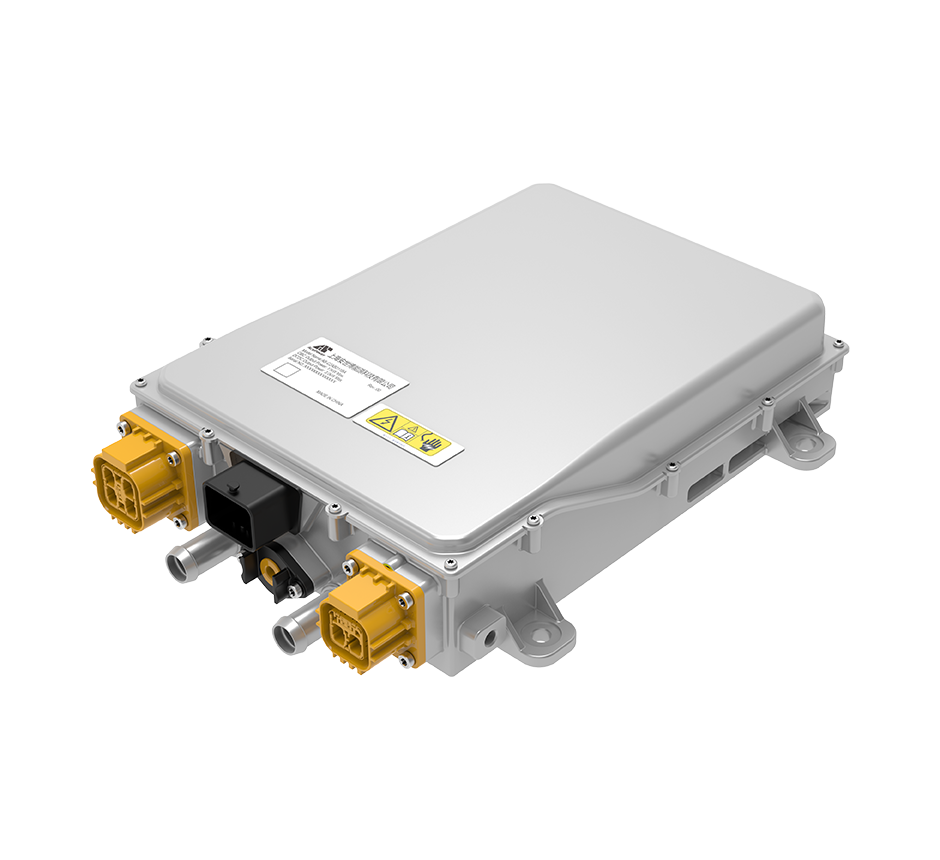
As electric vehicle (EV) technology continues to evolve, the importance of efficient thermal management in 11kW on-board chargers has never been greater. These systems, such as AcePower’s 11kW OBC, play a pivotal role in ensuring safe and reliable energy conversion for electric vehicles. Without effective heat dissipation strategies, charging systems could experience reduced performance and potential damage due to overheating. Therefore, understanding and implementing the right thermal management strategies is crucial for maintaining the efficiency and longevity of these chargers.
Effective Cooling Mechanisms for 11kW On-Board Chargers
The effectiveness of an 11kW on-board charger largely depends on its ability to manage the heat generated during the power conversion process. AcePower’s 11kW OBC incorporates advanced cooling systems to keep temperatures in check. The most common methods include air and liquid cooling systems, each offering distinct advantages depending on the application. Air cooling is suitable for systems with less intensive power demands, while liquid cooling offers more efficient heat dissipation, particularly for high-performance applications. Both methods are critical for preventing overheating, which could otherwise lead to inefficiencies or even component failure. With the right cooling solution, these chargers can operate safely and efficiently, providing optimal performance under all conditions.
Temperature Control and Power Conversion Efficiency
The efficiency of AcePower’s 11kW OBC is heavily influenced by its thermal management. When temperatures are regulated effectively, the power conversion efficiency remains high, ensuring that more energy is transferred to the vehicle’s battery rather than being wasted as heat. With an efficiency of up to 95.5%, the 11kW OBC reduces energy loss to less than 5%, delivering reliable performance. Advanced temperature control mechanisms, such as thermal sensors and intelligent software, continuously monitor the system’s temperature, adjusting cooling processes as needed. This dynamic approach ensures that the charger performs at its best, maximizing energy efficiency while minimizing the risk of overheating.
Impact of Thermal Management on Charging Speed
One of the key benefits of effective thermal management is its positive impact on charging speed. The temperature of an 11kW on-board charger directly affects how quickly it can charge an electric vehicle. Overheating can slow down the charging process, as the system may need to reduce its output to avoid further heat buildup. By ensuring that temperatures are consistently controlled, AcePower’s 11kW OBC can deliver maximum current without compromising performance. This results in faster charging times, allowing users to benefit from quick and efficient energy delivery, which is especially important for EV owners with high daily driving demands.
Advanced Thermal Management for 11kW OBC Performance
Incorporating advanced thermal management strategies is essential for the performance and longevity of AcePower’s 11kW OBC. From effective cooling systems to intelligent temperature control, these strategies help maintain efficiency, reduce energy waste, and improve charging speeds. By prioritizing thermal management, manufacturers ensure that their 11kW on-board chargers can meet the growing demands of the electric vehicle market, providing drivers with faster, more reliable charging solutions.
