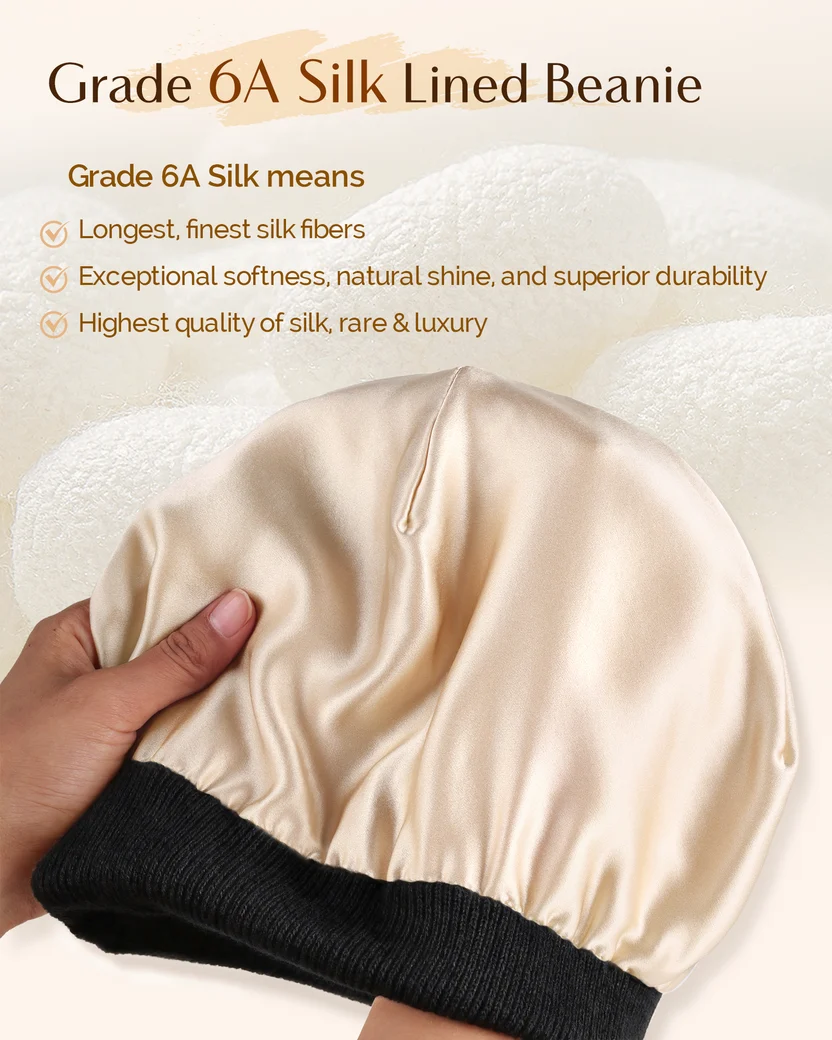
Washing a dual-layer winter hat requires more care than cleaning a standard knit beanie. The outer fabric may tolerate everyday wear, but the smooth inner lining needs gentler handling to prevent stretching or surface damage. Knowing the correct workflow prevents accidental distortion and keeps your winter gear looking fresh.
Because the hat combines a knit exterior with a smooth silk lining, gentle handling matters from the first rinse to the final drying stage. Hand washing gives better control over water temperature and movement, while following the care label for drying helps reduce unnecessary stress on the hat.
Check the Hat Before Putting It in Water
Winter headwear featuring a soft inner lining requires careful inspection prior to any cleaning session. Reviewing the care label attached to the interior seam provides specific manufacturer instructions regarding water limits or detergent types. Following these guidelines can help reduce the risk of damage during washing.
The outer shell and silk lining may respond differently to moisture, so both layers should be handled gently during cleaning. A knit exterior and a smooth silk lining may require careful handling during washing. Knowing how these layers are joined makes it easier to avoid excessive pressure on the seams and lining.
Evaluating exterior knit tightness and internal stitching helps determine the safest cleaning approach before you begin. Checking for loose threads or minor snags prevents small structural flaws from worsening. When inspecting a beanie silk lined cap, verifying these details helps you catch vulnerable seams early.
Choose Cool Water and a Gentle Detergent
Hot water and strong laundry detergents can weaken delicate fibers, while excessive heat may cause wool exteriors to shrink. Fill a clean basin with cool water instead of running water directly onto the fabric surface to protect both materials from thermal damage.
The detergent matters just as much. Choose a pH-neutral liquid formula designed for delicate woolens or natural protein fibers. Avoid bleach and strong enzyme-based cleaners, which can be too harsh for the combined materials. Mix the detergent thoroughly into the water before placing the hat in the basin.
Do not pour concentrated detergent directly onto the hat. Make sure the solution is evenly diluted before soaking the fabric, as concentrated cleanser can leave residue or create uneven exposure across the knit and inner lining.
How to Hand-Wash a Dual-Layer Winter Hat
Unless the care label specifically allows machine washing, hand-washing is the safer option for a dual-layer winter hat. Turn the hat inside out before washing so you can check and gently clean the lining, where sweat, oils, and hair products are most likely to accumulate.
Submerge the item gently into the basin, allowing the fabric to absorb the liquid naturally without aggressive pushing or twisting. Allow it to soak for several minutes to loosen accumulated oils, sweat, and environmental dust particles.
For a silk lined beanie design, gentle handling is especially important because excessive agitation can put unnecessary stress on the inner seams. Perform any necessary cleaning actions with care to avoid stretching the delicate fibers out of shape.
Press the fabric softly against the bottom of the basin to circulate the soapy water through the weave without rubbing vigorously. Rushing this stage increases the likelihood of misshaping the crown.
Rinse Without Stretching the Knit
Drain the soapy water completely from the basin while holding the wet garment gently against the side. Refill the basin with clean, cool water for the rinsing phase to remove all leftover detergent particles thoroughly and safely.
Submerge the cap again, pressing softly to flush out soap from both the outer knit and the inner layer. Repeat the cool-water rinse until most visible detergent and suds have been removed.
Residual detergent left within the fibers can stiffen the material and attract dirt faster once dry. Do not wring or twist the wet garment to remove excess water, as excessive mechanical stress can distort the seams and shape.
How to Remove Excess Water Safely
Extracting excess moisture safely requires a clean, absorbent towel rather than physical wringing or machine spinning. Place the wet winter cap on a clean, absorbent towel on a flat surface.
Roll the towel loosely around the hat and press gently to draw out excess water. Avoid rubbing or twisting the fabric during this step, as mechanical pressure can distort the seams connecting the two layers.
Unroll the towel and reshape the crown and brim while the hat is still damp. This is the easiest stage to correct minor distortion before the fibers fully dry.
The Right Way to Air-Dry and Store It
Air-drying should always take place on a flat surface away from direct sunlight, radiators, or high heat sources. Avoid hanging the hat while it is wet, since the added weight of water can pull the knit downward and distort the crown or brim.
Allow the item to dry in the shade according to the care label, avoiding direct sunlight and tumble drying. Avoid tumble drying unless the care label specifically permits it, because high heat shrinks wool and damages internal silk linings.
Proper maintenance requires patience during the natural drying stages. Storing the accessory only after it is completely dry prevents mold growth and preserves fabric freshness throughout the off-season.
In practice, the routine is straightforward: use cool water and a mild detergent, handle the hat gently, press out moisture with a towel, reshape it while damp, and leave it flat to dry away from heat. Following the care label throughout the process helps keep both the knit exterior and smooth lining in good condition.
When you choose winter accessories like those from YANIBEST, you get the ideal material combination, while careful washing and drying will help preserve that premium quality through repeated seasonal wear.
