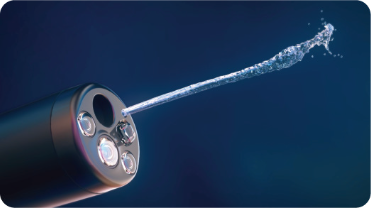
Reliable gastrointestinal visualization serves as the cornerstone of modern diagnostic procedures within the gastroenterology department. For medical facilities utilizing the EIS-2000 system, COMEN ensures that every ugi scope integrates seamlessly into a high-definition workflow. Achieving clinical precision requires a balance between mechanical flexibility and imaging clarity. These instruments help clinicians observe mucosal irregularities during routine examinations. By focusing on ergonomic handling and optical performance, healthcare providers can improve patient throughput while maintaining a high standard of diagnostic accuracy.
Advanced Imaging Capabilities and Visual Clarity
High-definition sensors within the gastrointestinal endoscope provide the necessary resolution to detect subtle lesions. The EIS-2000 series utilizes a CMOS image sensor that delivers sharp, realistic colors and reduced image noise during endoscopic observation. during deep cavity inspections. This technology allows practitioners to observe vascular patterns and surface textures in great detail. Furthermore, the ugi scope features an expanded field of view, which reduces the need for excessive maneuvering to capture a comprehensive look at the esophageal and gastric walls.
Mechanical Maneuverability and Insertion Tube Design
Ease of use depends heavily on the physical properties of the gastrointestinal endoscope during complex procedures. COMEN develops their instruments with a graduated stiffness design, ensuring the insertion tube remains flexible yet responsive to torque. A wide angulation range is a critical feature, as it enables the distal tip to reach difficult anatomical positions within the upper digestive tract. Because the ugi scope maintains a slim outer diameter, it reduces patient discomfort and facilitates a smoother insertion process for the medical staff.
Functional Integration and Durability Standards
The longevity of a gastrointestinal endoscope is determined by its resistance to frequent reprocessing and mechanical wear. Within the EIS-2000 ecosystem, these scopes are built to withstand rigorous disinfection protocols without compromising the integrity of the internal components. A large biopsy channel is another essential feature, allowing for the easy passage of therapeutic tools during interventions. By streamlining the connection interface, COMEN ensures that the ugi scope remains a versatile asset for both diagnostic and basic surgical applications.
Reliability in endoscopy stems from a combination of optical excellence and thoughtful engineering. When facilities evaluate their options, they must prioritize equipment that offers a clear return on investment through durability and clinical efficiency. These considerations ensure that the medical team can focus on patient outcomes rather than equipment limitations. As technology progresses, the integration of high-resolution imaging and ergonomic design remains the primary metric for success in upper gastrointestinal care.
