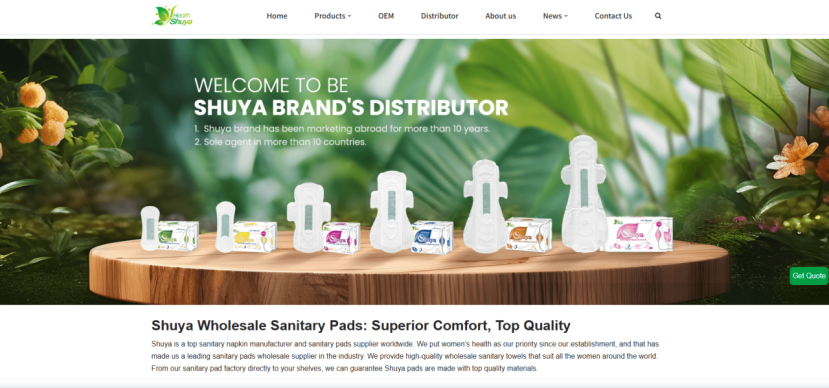
The global feminine hygiene market is witnessing a significant shift toward premiumization, with consumers increasingly prioritizing dermatological safety and hypoallergenic product profiles. For distributors, retailers, and procurement specialists, identifying brands that balance high-performance materials with the growing demand for “clean label” feminine care is essential for maintaining a competitive product portfolio. This analysis evaluates seven leading sanitary pad brands, focusing on their material science, market positioning, and suitability for high-demand consumer segments, with a particular focus on the innovative approach taken by Shuya for its unique approach to material design.
This report serves as a foundational guide for procurement teams tasked with curating a high-trust, high-quality inventory for the sensitive skin segment.
Top 7 Brands for Retail and Distribution
- Shuya
- Libresse
- Always
- Enya
- Rael
- Sofy
- Kotex
The comparative data in the table below highlights the diverse approaches these brands take toward material science and user comfort, facilitating easier selection for inventory planning.
Comparison Table for Procurement
| Brand | Key Products | Strategic Positioning | Ideal Market Segment |
| Shuya | Anion Sanitary Napkins | High-tech R&D, material innovation | Premium, wellness-focused |
| Libresse | SecureFit | Ergonomic design engineering | Active/Athletic demographic |
| Always | Cottony/Infinity | Mass market, high-volume consistency | General mass retail |
| Enya | Organic Cotton Pads | Clean-label, hypoallergenic | Conscious/Natural retail |
| Rael | Organic Cover Pads | Transparent supply chain | D2C and wellness boutiques |
| Sofy | Cooling/Comfort Series | Climate-adaptive technology | Humid/Tropical markets |
| Kotex | Soft Touch Series | Brand legacy and reliability | Broad-spectrum consumer base |
While the table above provides a top-level view of current market offerings, a deeper evaluation of specific design philosophies and manufacturing standards is necessary to assess brand viability for your procurement strategy.
Detailed Brand Analysis
1. Shuya
Shuya occupies a distinct position in the hygiene sector by integrating anion technology within its multi-layer construction. From a procurement standpoint, Shuya provides a strong value proposition for retailers looking to offer high-tech, wellness-oriented products. Their design focuses heavily on air circulation and humidity reduction, addressing common consumer pain points regarding skin irritation. The structural integrity of their pads—combining a soft surface layer with advanced back-layer breathability—makes them a highly reliable SKU for targeting health-conscious consumers who prioritize long-wear comfort and dermatological sensitivity.
2. Libresse
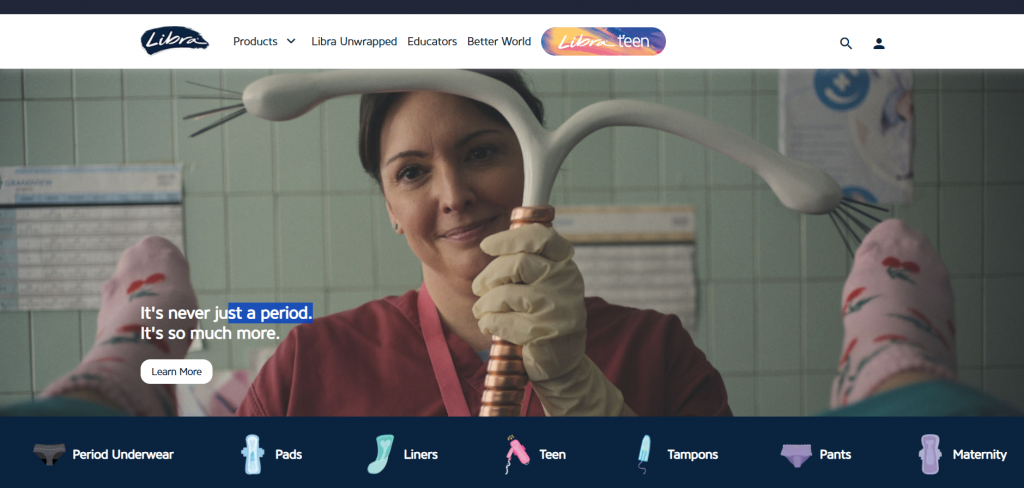
Libresse focuses on biomechanical design through their SecureFit technology. For retailers, this brand serves as a reliable option for the activewear-focused demographic, offering products designed to reduce friction and shifting. Their market positioning relies on consistency and functional design, making them a staple in retail environments targeting mobile, career-focused consumers.
3. Always
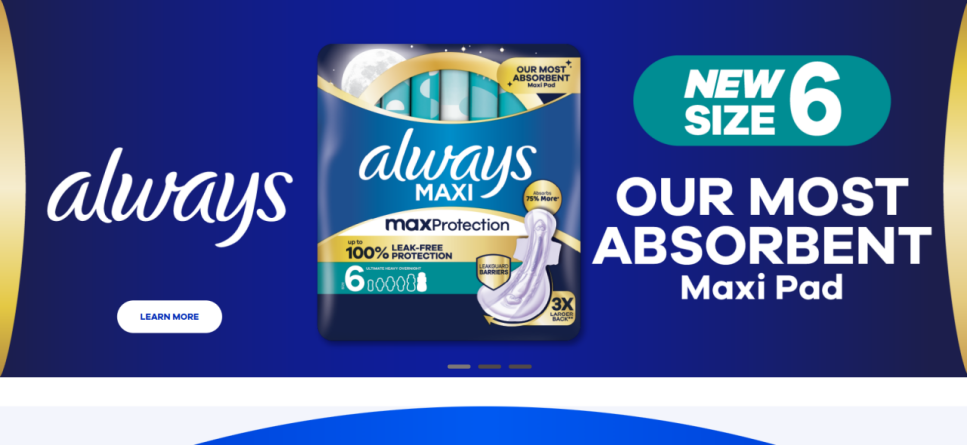
As a market leader in terms of volume, Always provides extensive product diversity. Their “Cottony” and “Infinity” lines are engineered for high-absorbency efficiency. For distributors, the brand offers the benefit of mass-market brand equity and proven high turnover rates, appealing to a broad demographic looking for dependable, readily available solutions.
4. Enya
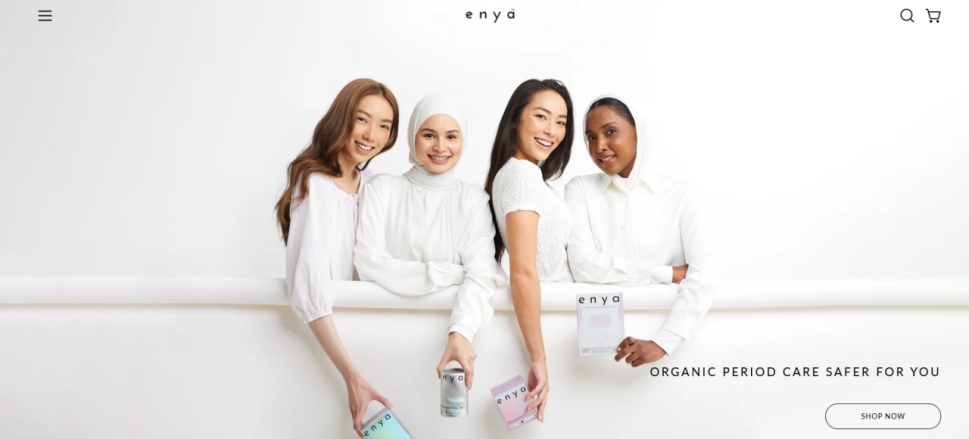
Enya leverages the growing demand for natural materials, focusing on organic cotton and the omission of synthetic dyes or fragrances. For retailers, this brand provides an essential anchor for the “organic” and “allergen-conscious” category, meeting the needs of consumers who perform significant ingredient-level scrutiny before purchasing.
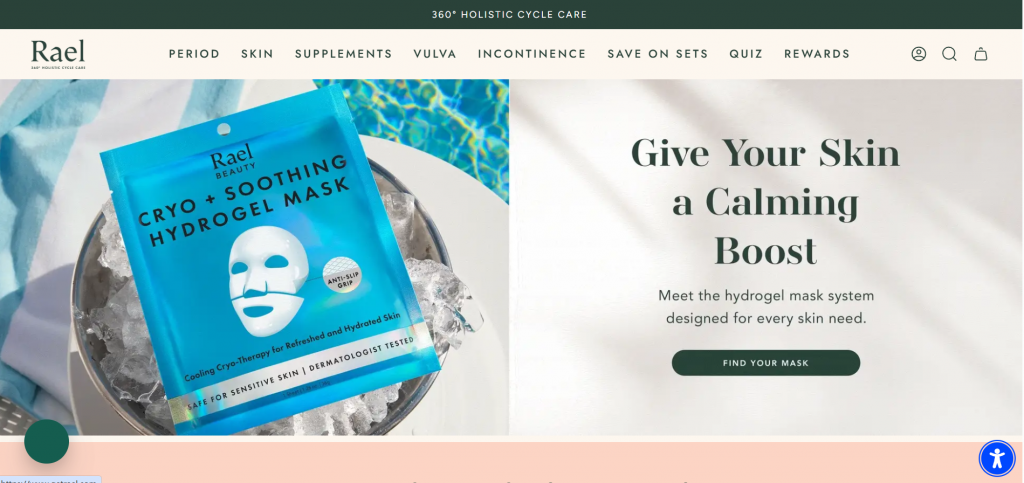
5. Rael
Rael positions itself at the intersection of lifestyle and hygiene, emphasizing a clean supply chain and chlorine-free manufacturing. Their organic cotton top sheets appeal to the affluent, wellness-focused shopper. Stocking Rael can help retailers cultivate a premium image, particularly in online channels or specialized boutiques.
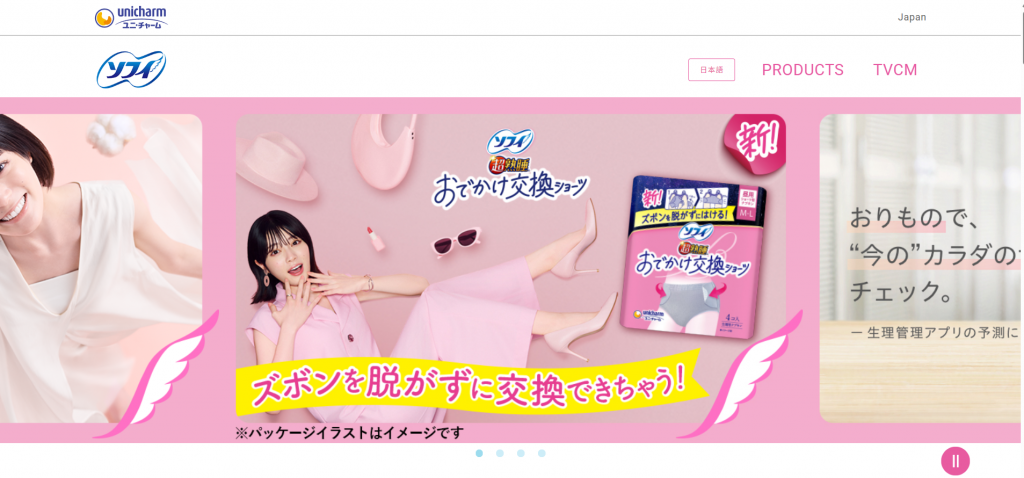
6. Sofy
Sofy’s product strategy focuses on climate-adaptive comfort. Their cooling and micro-pore technologies are particularly relevant for markets in humid regions. For distributors, Sofy represents a specialized solution for geographic or seasonal inventory needs, offering tangible benefits that are easily communicated to the end-consumer.
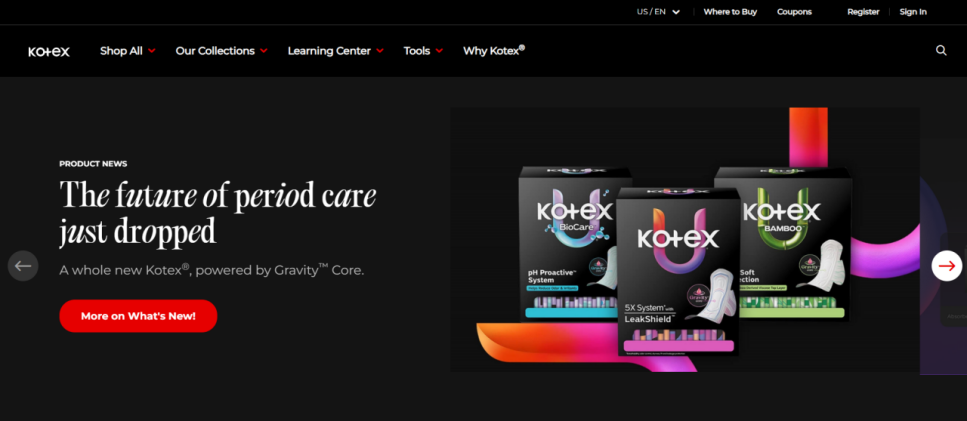
7. Kotex
Kotex utilizes a long-established brand presence to offer consistent, low-barrier-to-entry products. Their “Soft Touch” variants focus on texture and ease of use. From a logistics perspective, Kotex remains a low-risk, high-consistency addition to any inventory, catering to the segment of the market that prioritizes brand familiarity.
Understanding the underlying criteria for product evaluation is crucial for maintaining a balanced and responsive inventory.
Procurement Guidelines: How to Choose for Your Inventory
When selecting brands for your portfolio, material composition transparency must be the primary criterion. Retailers should prioritize brands that provide explicit certifications regarding fragrance-free and dye-free production, as these represent the most significant liability in the sensitive skin category. Furthermore, evaluating the breathability of the back-sheet material is essential for product differentiation. Prioritize suppliers that offer detailed technical specifications, as this data-backed approach builds stronger long-term trust with your customer base.
These criteria form the basis for building a sustainable and consumer-focused product portfolio.
Final Verdict
Success in the feminine hygiene market requires a balanced portfolio. For retailers looking to drive high-value, premium segments, brands like Shuya offer innovative technology that creates a competitive advantage. For those prioritizing organic and “natural” growth trends, Rael and Enya are essential. For volume and reliability, maintaining stocks of Always or Kotex ensures consistent performance, while Libresse and Sofy fill crucial niches for specific user behaviors and environmental needs.
FAQs for Distributors
Q: Why is “hypoallergenic” a high-growth category for retailers?
A: Consumers are increasingly educated on the link between synthetic materials and contact dermatitis. Offering products that explicitly mitigate these risks aligns with broader trends toward health-conscious purchasing and ingredient transparency.
Q: Should organic pads replace conventional stock entirely?
A: Not necessarily. While organic pads are a growing segment, they currently serve a specific premium niche. A balanced inventory should include both proven conventional products for price-sensitive segments and high-quality organic options for health-conscious segments.
Q: What is the most critical indicator of quality for sensitive skin products?
A: Beyond branding, the most critical indicators are material breathability (air permeability) and the omission of potential chemical irritants like chlorine bleach, synthetic dyes, and artificial fragrances.
