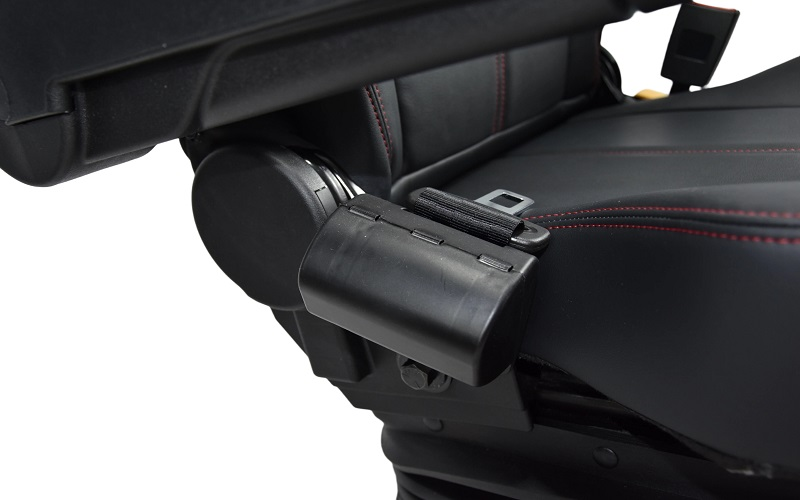
Selecting robust materials for heavy machinery cabins is essential to maintain operator safety and fleet longevity. Industrial vehicles operate in rigorous fields where exposure to dust, moisture, and friction is continuous. If the outer fabric punctures easily, the underlying cushioning absorbs moisture and degrades quickly. This deterioration compromises the vital body support required during extended work shifts in agricultural or construction projects. Therefore, tractor and excavator procurement managers look for heavy-duty covers that offer high wear resistance. Evaluating these material configurations helps fleet businesses reduce replacement frequencies. Consulting with experienced industrial seats manufacturers allows procurement teams to acquire cabins that withstand severe environmental friction. They gain access to specialized components built specifically for severe daily utility.
Evaluating Framework Composition and Manufacturing Processes
Structural integrity depends heavily on the underlying framework and metal composition. Mechanical assemblies require rugged steel bases to handle intense vibrations on rough surfaces. Source One addresses this structural durability requirement by constructing an operator option with a high-strength steel frame. They design and manufacture all stamping, foaming, and production molds independently to ensure precise component integration. Their facility features specialized electroplating and electrophoresis workshops to apply anti-corrosive layers to every steel part. This advanced surface treatment prevents rust from forming when vehicle cabins face open rain or pressure washing. By implementing standardized tooling management, they keep quality uniform and minimize future maintenance costs for equipment owners. Many global industrial seats manufacturers seek similar controlled workflows to guarantee structural resilience.
Assessing Surface Resilience and Shock Absorption Features
Surface selection determines how well a cabin component withstands oil spills, grease, and abrasion. Polyurethane foam combined with reinforced vinyl coverings provides excellent protection against moisture penetration. These resilient materials keep the interior dry and prevent the underlying mechanical suspension from rusting over time. When operators use forklifts or trucks in open mining fields, weatherproofing becomes a vital operational parameter. Sturdy materials allow the integrated suspension systems to absorb shocks efficiently without mechanical stiffness. Consequently, heavy equipment buyers prioritize specialized industrial seats to lower overall maintenance overhead. Purchasing well-insulated industrial seats protects internal assemblies from premature wear and dust accumulation. This targeted material selection improves daily operator efficiency across demanding job sites.
Conclusion
Choosing durable components requires evaluating both outer fabrics and inner steel chassis. Heavy machinery must endure mud, chemical cleaning, and rough weather without losing structural strength. Procurement teams achieve better fleet reliability when they select materials engineered for extreme mechanical work. Professional industrial seats manufacturers provide the necessary manufacturing consistency through specialized in-house workshops. This controlled production approach ensures that heavy-duty industrial seats remain functional throughout their operational life. Ultimately, investing in robust operator environments minimizes vehicle downtime and supports long-term fleet utility.
