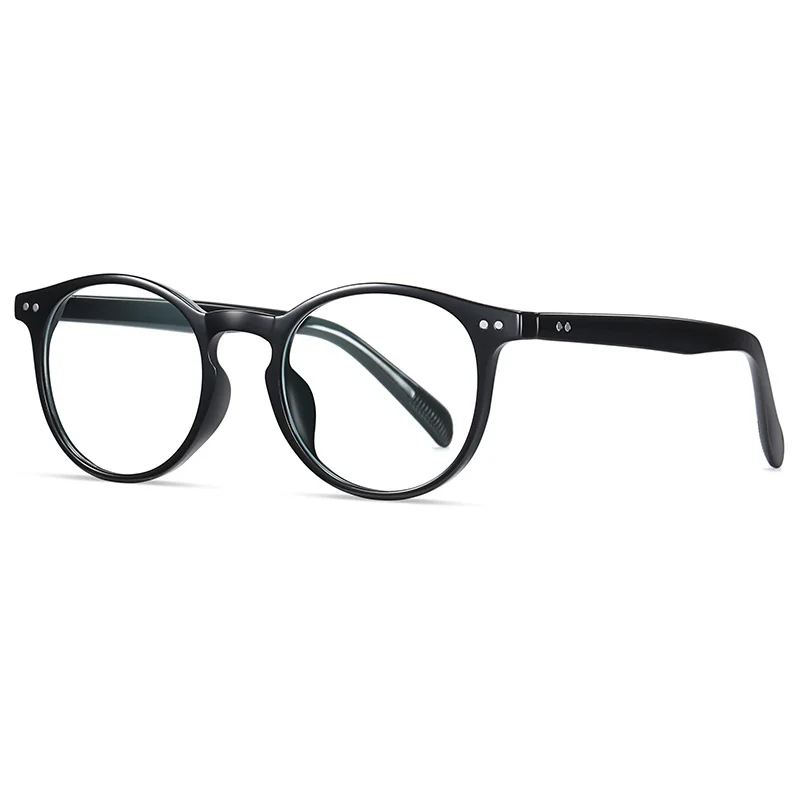
Return on advertising spend shapes every procurement decision in the optical industry. For buyers building premium prescription collections, frame material selection directly influences sell-through rates, return volumes, and repeat purchase behaviour. Acetate frames occupy a distinct position in this equation. Their production economics, durability profile, and consumer perception interact in ways that affect unit economics far beyond the initial wholesale price negotiation. This article examines how frame material characteristics translate into measurable retail performance metrics, with a focus on cellulose acetate as a category-defining substrate.
Frame Longevity and Its Direct Relationship to Return Rates
Product returns represent one of the most significant hidden costs in optical e-commerce. When frames warp, snap at the temple, or lose their colour coating after several months of daily wear, customers request refunds or replacements. Each return event consumes customer service hours, shipping costs, and inventory write-offs that erode the margin any advertising campaign worked to generate.
The best acetate eyeglass frames demonstrate measurably different long-term behaviour compared to injection-moulded plastic alternatives. Cellulose acetate, derived from cotton fibres or wood pulp combined with plasticisers, possesses an innate flexibility that allows professional heat adjustment while maintaining a high degree of structural integrity. This adjustability means opticians can fine-tune the fit to individual facial geometry, reducing pressure points that cause discomfort and subsequent returns. Research confirms that proper frame fit improves visual performance, and acetate frames can be adjusted accurately to achieve this fit.
The material’s surface durability also contributes to return rate reduction. Unlike frames where colour is applied as a surface coating, the pigmentation in acetate runs through the entire material block. This means scratches and daily abrasion do not reveal a different-coloured substrate beneath, maintaining the frame’s retail appearance over years of use. The thermoplastic nature of acetate provides resistance to warping under normal conditions, though exposure to extreme heat can cause deformation.
For optical retailers calculating lifetime customer value against acquisition costs, a frame material that generates two to three fewer return events per hundred units sold translates directly into improved ROAS figures.
Production Economics: How Manufacturing Method Shapes Margin Profiles
The cost structure of an acetate frame differs fundamentally from that of an injection-moulded plastic frame, and these differences cascade through the entire wholesale-to-retail value chain. Acetate frames are cut from solid sheets using CNC milling processes, then hand-polished through multiple stages to achieve their characteristic lustre. This labour-intensive approach means per-unit production costs run higher than injection moulding, where molten plastic is shot into a cavity and ejected in seconds.
However, the comparison becomes more nuanced when examined through a total-cost lens. Injection moulding requires steel tooling that typically costs approximately USD 2,000 per design, with economic viability demanding production quantities of at least 1,200 pieces per design. For optical collections that rotate styles seasonally or serve niche demographics, this upfront tooling investment creates inventory risk. Acetate production, by contrast, involves lower tooling costs and supports smaller run sizes, giving manufacturers distinct flexibility advantages.
Material cost typically represents 15 to 30 percent of the FOB (Free on Board) price. Premium acetate sheets sourced from established producers command higher input costs than commodity plastics, but the retail price positioning they enable justifies this premium. The arithmetic that matters for ROAS is straightforward: if an acetate frame’s wholesale cost is 40 percent higher than a basic plastic alternative, but its retail price can be set 80 to 120 percent higher due to perceived material quality, the gross margin per unit improves considerably. This margin expansion provides more room for advertising spend while maintaining profitability.
The global acetate frame market was valued at approximately USD 3,200 million in 2024, with projections indicating growth at a compound annual rate of 5.2 percent through 2031. This expansion reflects sustained demand from optical retailers who recognise the relationship between frame material and margin performance.
Consumer Perception and Sell-Through Velocity
Advertising efficiency depends on conversion rates. When a prospective customer clicks through to a product page, the frame material description influences their willingness to pay the listed price. Acetate carries specific connotations in the consumer market that affect purchasing behaviour.
The material is consistently described across optical retail channels as hypoallergenic, stemming from its plant-based composition free of the nickel and other metal alloys that trigger skin reactions. This property expands the addressable customer base to include individuals with metal sensitivities, who represent a meaningful segment of the prescription eyewear market. Acetate’s colour versatility offers an aesthetic range that spans translucent gradients, layered tortoiseshell patterns, and uniform solid tones, achieved by embedding dye directly into the cellulose compound during sheet production rather than through post-production painting.
From a retail merchandising standpoint, these characteristics support premium product page positioning. Frames described as cellulose acetate consistently achieve higher average order values than those listed simply as plastic, a pricing differential that optical retailers depend on when allocating advertising budgets to specific product categories. For businesses managing paid search campaigns where cost-per-click continues rising across competitive keywords, the ability to convert clicks into higher-value transactions determines whether campaigns remain profitable.
The durability message also supports customer retention. Acetate frames are strong and flexible enough to withstand accidental drops without breaking, a characteristic that reduces the frequency of warranty claims and the associated customer dissatisfaction that depresses repeat purchase rates.
JHEYEWEAR’s Position in the Acetate Supply Chain
For optical retailers and eyewear brands developing premium collections, JHEYEWEAR operates as a factory-direct manufacturer of acetate optical frames, offering production capabilities that include OEM and ODM services, custom colour development, and multiple finishing options across a catalogue of classic and contemporary styles. Their frames meet CE certification standards, providing documentation that supports compliance requirements for importers in regulated markets.
Evaluating Frame Quality for ROAS Optimisation
Procurement decisions that affect ROAS require specific evaluation criteria beyond price-per-unit comparisons. Three factors merit particular attention when sourcing acetate frames for premium optical collections.
Material provenance serves as a starting point. Genuine cellulose acetate sourced from established producers such as Mazzucchelli in Italy or Mitsubishi Chemical in Japan provides consistency in colour depth, structural integrity, and hypoallergenic properties. Counterfeit or blended plastics introduced into the supply chain compromise these properties, leading to frames that may discolour, become brittle, or cause skin reactions. Requesting material origin documentation and batch testing reports from suppliers reduces the risk of receiving substandard inventory that generates returns and chargebacks.
Production precision matters equally. Milling tolerances determine how securely lenses seat within the frame front, while hinge durability testing that simulates 10,000 or more open-close cycles provides data on long-term mechanical reliability. Frames that loosen at the hinge after months of use represent a warranty liability that erodes the margin gains achieved through careful material selection.
Finishing quality encompasses polishing consistency, surface hardness, and the absence of tool marks or uneven texture. Hand-finished acetate frames command premium retail pricing precisely because the polishing process creates a depth of lustre that machine finishing cannot replicate. This visual differentiation supports the product page photography that drives conversion in digital retail channels.
The relationship between acetate frame sourcing and ROAS operates through multiple interconnected mechanisms. Material durability reduces return rates and warranty costs. Production economics enable higher retail price positioning despite elevated wholesale costs. Consumer perception of acetate as a premium, hypoallergenic material supports conversion and average order value. For optical retailers and brand operators, evaluating frame suppliers against measurable quality criteria rather than unit price alone represents the practical application of ROAS-focused procurement strategy. The frames selected for a collection do not merely represent inventory; they constitute the physical product upon which advertising investment either generates returns or incurs losses.
