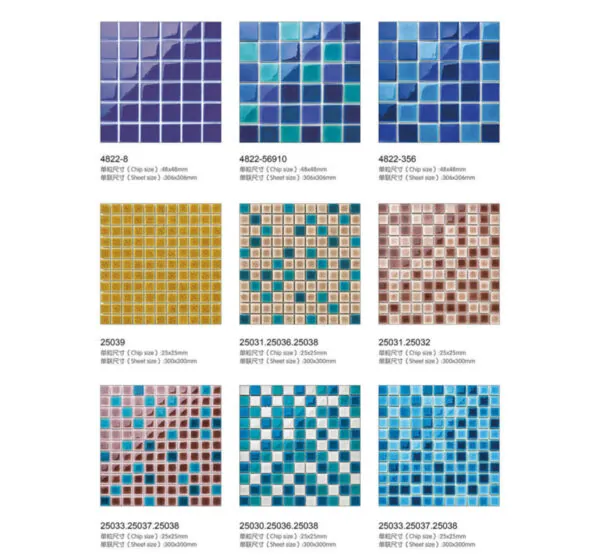
From intricate motifs to subtle textures, mosaic tile has served as a staple of decorative surfacing for millennia, valued for creating detailed imagery in compact formats. In contemporary architecture and interior design, custom mosaic tiles experience renewed demand. Designers frequently specify unique color palettes, non-standard patterns, and material combinations that off-the-shelf collections generally cannot provide.
From hotel lobby feature walls to bespoke residential bathrooms, these versatile surfaces offer tailored aesthetic solutions. Specifying a custom order involves careful decisions. Considerations around base material, tessera size, grout interaction, and production feasibility directly affect both the visual outcome and the overall project budget for developers and homeowners alike.
Choosing the Right Base Material for the Application
Mosaic products utilize distinct materials with inherent performance characteristics. Ceramic options offer cost efficiency and broad glaze compatibility for walls. Glass alternatives provide reflective depth but require careful substrate preparation. Porcelain delivers higher density and lower water absorption, adding necessary abrasion resistance for shower floors and commercial entryways.
Mixed-material compositions combining natural stone, metallic accents, and glass create striking textural contrast. However, these complex material blends demand expert installation to properly manage differential expansion rates across the integrated materials over time.
JLA Ceramics manufactures mosaic products in ceramic, glass, and porcelain, with a dedicated swimming pool mosaic line formulated for submerged and wet-area applications. This material diversity allows buyers to select a base aligning with their specific project demands. Procurement teams can confidently specify materials for decorative wall features or fully submerged pool surfaces.
Defining Color, Pattern, and Scale with Custom Mosaic Tiles
Custom mosaic tile projects rely on accurate color translation from concept to fired glaze. Buyers should reference physical color standards, as digital displays rarely capture true glaze depth. Additionally, the complexity of a pattern directly influences production feasibility and overall timeline expectations.
Repeating geometric motifs map straightforwardly across mesh-mounted sheets. Conversely, gradient designs require precise tessera placement and extensive sampling. Tessera size also shapes visual perception. Smaller pieces create finer detail but increase grout volume, while larger formats read as more graphic and install more efficiently.
JLA Ceramics supports comprehensive custom design services that translate buyer-supplied color references into manufacturable specifications. Their engineering team carefully evaluates design complexity against factory production capabilities. This assessment ensures orders deliver the intended visual result without compromising the structural integrity of the installation.
Mesh Mounting, Sheet Size, and Installation Logistics
Individual mosaic tesserae arrive factory-assembled on fiber mesh or paper-faced sheets to accelerate field installation. Buyers must confirm sheet size compatibility with their intended layout grid to minimize cutting waste. For curved columns or architectural features, mesh-mounted sheets offer necessary flexibility that rigid tiles cannot match.
Installation requires specialized setting materials, such as modified thin-set mortars formulated specifically for small-format tiles. These adhesives ensure full bedding and prevent hidden grout voids that could eventually compromise the water resistance and longevity of the finished surface.
The production process at JLA Ceramics includes mesh-mounted sheet formats designed to simplify installation across flat and moderately curved substrates. The company provides helpful technical guidance on appropriate adhesives and grouting strategies, assisting contractors in achieving professional and seamless installation outcomes.
Durability, Maintenance, and Performance Standards
Surface performance in wet or high-traffic environments depends on material density, glaze hardness, and grout selection. Pool and shower applications necessitate frost-resistant porcelain or formulated glass featuring low water absorption. Constant chemical exposure from commercial kitchen cleaning agents can degrade certain glazes over time.
Buyers should specify appropriate slip-resistance ratings for floor applications and confirm that selected materials meet relevant standards for the intended operational environment. Proper sealing of grout joints further extends service life and noticeably reduces staining risks in heavily utilized commercial spaces.
Every batch of custom mosaic tiles from JLA Ceramics undergoes rigorous quality checks covering flatness, color consistency, and surface durability. This systematic testing protocol ensures that custom orders perform reliably in demanding applications, ranging from swimming pools to active commercial wet areas.
Cost Factors and Order Planning
Bespoke surface orders carry a different cost structure than stock purchases. Mold preparation, glaze matching, and sample firing cycles add upfront expenses. These initial production costs are typically amortized across specified minimum order quantities. Shipping costs also fluctuate based on packaging density and overall container weight.
Because mosaics are significantly heavier per square meter than standard wall surfacing, freight calculations should utilize actual volumetric weight. Furthermore, buyers should account for cutting waste and pattern-matching margins when calculating total material requirements to avoid mid-project material shortages.
JLA Ceramics operates two dedicated factories with substantial production capacity, supporting volume requirements that align with commercial and export market needs. The strategic Foshan location optimizes international shipping logistics. This distinct geographical advantage helps export buyers manage freight budgets efficiently.
Sourcing Custom Mosaic Tiles for Distinctive Projects
Selecting a manufacturing partner requires evaluating design flexibility, color-matching capability, and production consistency. A capable supplier provides physical pre-production samples representing color and mesh-mounting quality. Communication clarity remains equally important throughout this highly collaborative global procurement process.
Custom orders involve iterative feedback loops. Suppliers assigning dedicated project contacts reduce the risk of misinterpretation between design intent and factory execution. This structured communication helps maintain strict project timelines and ensures the final product aligns with the architectural vision.
As a professional manufacturer, JLA Ceramics offers a comprehensive catalog alongside OEM and private-label services. With extensive export expertise serving global markets, the company supplies high-quality surfacing that meets creative specifications. To explore material options and custom design services, buyers can consult JLA Ceramics directly.
