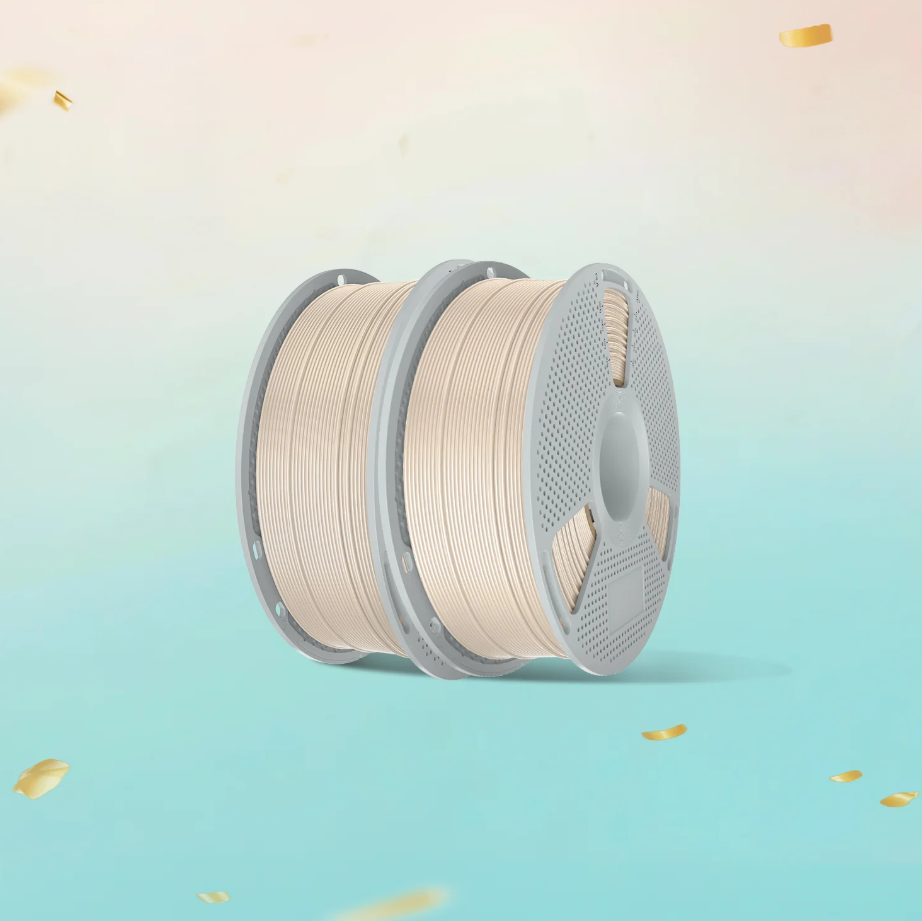
Functional 3D printing requires materials that can provide stable performance during real-world use. For parts exposed to heat, mechanical stress, or chemical environments, standard materials may not always meet application needs. Engineering filaments are developed for these situations because they offer improved properties for functional components. When selecting materials for industrial printing projects, users should consider strength, durability, and working conditions.
The development of advanced materials has expanded the use of 3D printing beyond prototypes. Many manufacturers now use functional parts for testing, tooling, and customized production. SUNLU focuses on developing 3D printing materials that support different application requirements, including materials designed for more demanding projects.
Why Engineering Filaments Are Suitable for Functional Parts
Functional components need materials that can maintain performance after printing. Unlike decorative models, these parts may need to handle repeated use, pressure, heat, or exposure to different environments. Therefore, material performance becomes an important factor during the design process.
Engineering filaments usually provide enhanced mechanical properties compared with general-purpose materials. Features such as higher strength, better toughness, and improved chemical resistance allow printed parts to be used in more practical applications.
For example, mechanical fixtures, industrial tools, and equipment components often require materials that can maintain their shape during operation. Choosing suitable materials helps manufacturers create parts that match specific project requirements.
SUNLU develops different filament solutions for users who need materials for various printing purposes. They provide products covering common materials and advanced options, allowing customers to select materials based on their application conditions.
Performance Factors of 3D Print Filament for Functional Applications
The performance of 3D print filament directly affects the quality and reliability of printed parts. Factors such as diameter consistency, material strength, and temperature resistance can influence printing results and final product performance.
For functional applications, users usually pay attention to several material characteristics. High strength helps parts handle mechanical loads, while good toughness reduces the risk of cracking under impact. Thermal stability is also important for components used in environments with temperature changes.
SUNLU offers different filament types for users with different project requirements. Their product range includes PLA, ABS, PETG, TPU, and other materials. These options allow users to select suitable solutions according to printing conditions and product functions.
In industrial manufacturing, the right material choice can affect development efficiency. Engineers often evaluate material properties before production to reduce unexpected issues during testing and application.
How Specialty Filaments Expand Functional Printing Options
As application requirements become more specific, specialty filaments provide additional choices for advanced printing projects. These materials are designed for situations where standard materials may not provide enough performance.
Different specialty materials focus on different characteristics. Some provide higher temperature resistance, while others offer improved chemical stability or mechanical strength. These features make them suitable for industries that require functional components with specific performance needs.
For users working on engineering projects, understanding material properties is an important step. A material suitable for one application may not be suitable for another environment. Factors such as operating temperature, contact with chemicals, and mechanical requirements should be considered before printing.
Engineering materials continue to create more possibilities for additive manufacturing. They allow designers and manufacturers to develop customized parts for applications that require more than basic printing performance.
PEEK Filament Example for High-Performance Applications
Among advanced materials, PEEK (Polyether Ether Ketone) is recognized as a material used in applications requiring high performance. PEEK filament is often considered for projects that need heat resistance, strength, and chemical stability.
SUNLU provides PEEK (Polyether Ether Ketone) 3D Printer Filament 1KG for users exploring high-performance printing applications. The product features a heat deflection temperature of up to 147°C, V0 flame retardant rating, superior chemical resistance, and high strength with high toughness.
This PEEK filament also has self-lubricating properties, which can support applications where reduced friction is required. The diameter specification is 1.75 ± 0.09 mm, making it suitable for compatible 3D printing systems designed for this material.
When using advanced materials such as PEEK, users should also consider printer capability and processing conditions. Proper equipment settings and suitable printing environments are important for achieving expected results.
Selecting Materials for Future Functional Manufacturing
The growth of functional 3D printing has increased demand for reliable materials. From prototypes to production parts, manufacturers need materials that match their specific application goals.
SUNLU continues to provide material options for different printing needs, including general-purpose materials and advanced solutions. Their products support users who require different levels of performance for development and manufacturing projects.
For companies exploring industrial 3D printing, choosing suitable 3D print filament and understanding material characteristics can help improve project planning. Different applications require different solutions, so material selection should always be based on actual requirements.
The development of specialty filaments and engineering filaments has created more opportunities for functional printing. By selecting materials according to strength, temperature resistance, and environmental conditions, manufacturers can better apply 3D printing technology to practical production needs.
