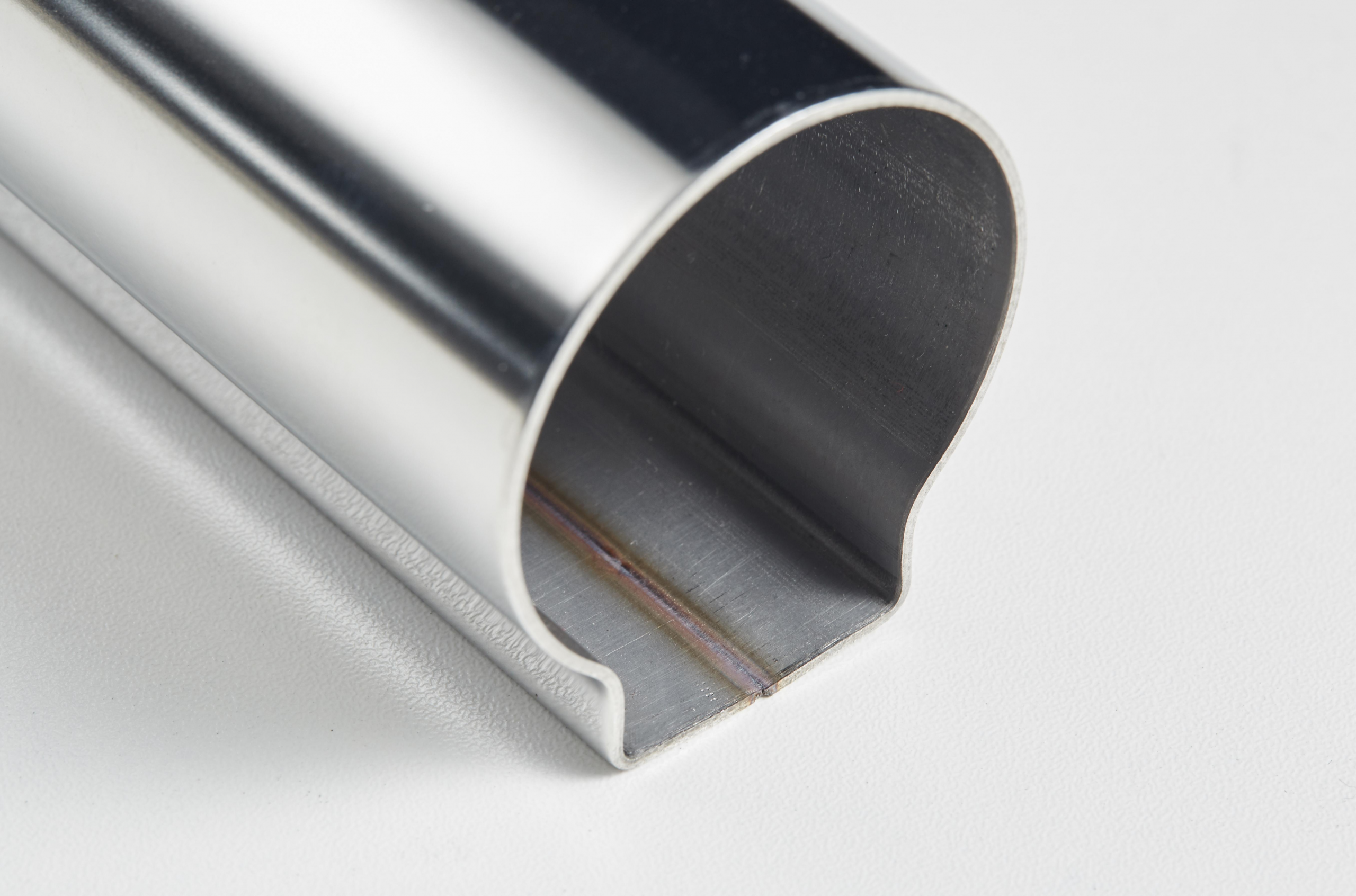
As the world pivots toward sustainable energy, laser welding technologies are emerging as crucial components in the production of hydrogen fuel cells. These advanced techniques not only offer precision but also enhance the durability of components, aligning with the growing demand for reliable and efficient energy solutions. With the integration of sophisticated systems, the versatility and efficiency of laser welding solutions are being recognized in various manufacturing contexts.
Advancements in Laser Welding Techniques
The evolution of laser welding has led to the development of techniques specifically tailored for the intricate assembly of hydrogen fuel cells. Through methods such as pulsed laser welding, manufacturers can achieve high penetration depths while minimizing thermal distortion. This is particularly vital in maintaining the integrity of delicate components, such as membrane electrode assemblies (MEAs), which are essential for optimal performance in fuel cells. By leveraging these technologies, manufacturers can ensure that their products meet the stringent safety and reliability standards required in today’s green energy landscape.
The Role of JPT in Fuel Cell Manufacturing
JPT, a key player in the sector, provides advanced laser sources essential for fuel cell production. Their products enable manufacturers to integrate laser welding capabilities into their machinery effectively, facilitating the assembly of various components with precision. By utilizing JPT’s innovative laser sources, manufacturers are able to enhance the quality of welds, providing the robust connections necessary for the optimal operation of hydrogen fuel cells. These solutions highlight the importance of coordinating with equipment providers to achieve the best results in assembly processes.
Comparison with Traditional Welding Methods
In contrast to conventional welding methods, laser welding solutions offer several advantages when manufacturing hydrogen fuel cells. Traditional techniques often involve significant heat input, which can compromise the integrity of sensitive components. Laser welding, on the other hand, reduces heat-affected zones, thus preserving the physical properties of the materials involved. This characteristic plays a critical role in enhancing the efficiency and longevity of fuel cells, making them a preferred choice for modern manufacturing.
Conclusion
As the demand for hydrogen fuel cells increases, the reliance on precise and reliable manufacturing processes also rises. Laser welding technologies stand out as essential tools in this pursuit, delivering the strength and durability needed for successful fuel cell assembly. With JPT at the forefront of providing advanced laser solutions, the manufacturing industry can harness these innovative technologies to produce high-quality components that meet the growing energy needs of the future. The integration of such systems is bound to enhance overall production efficiency while maintaining stringent safety standards.
