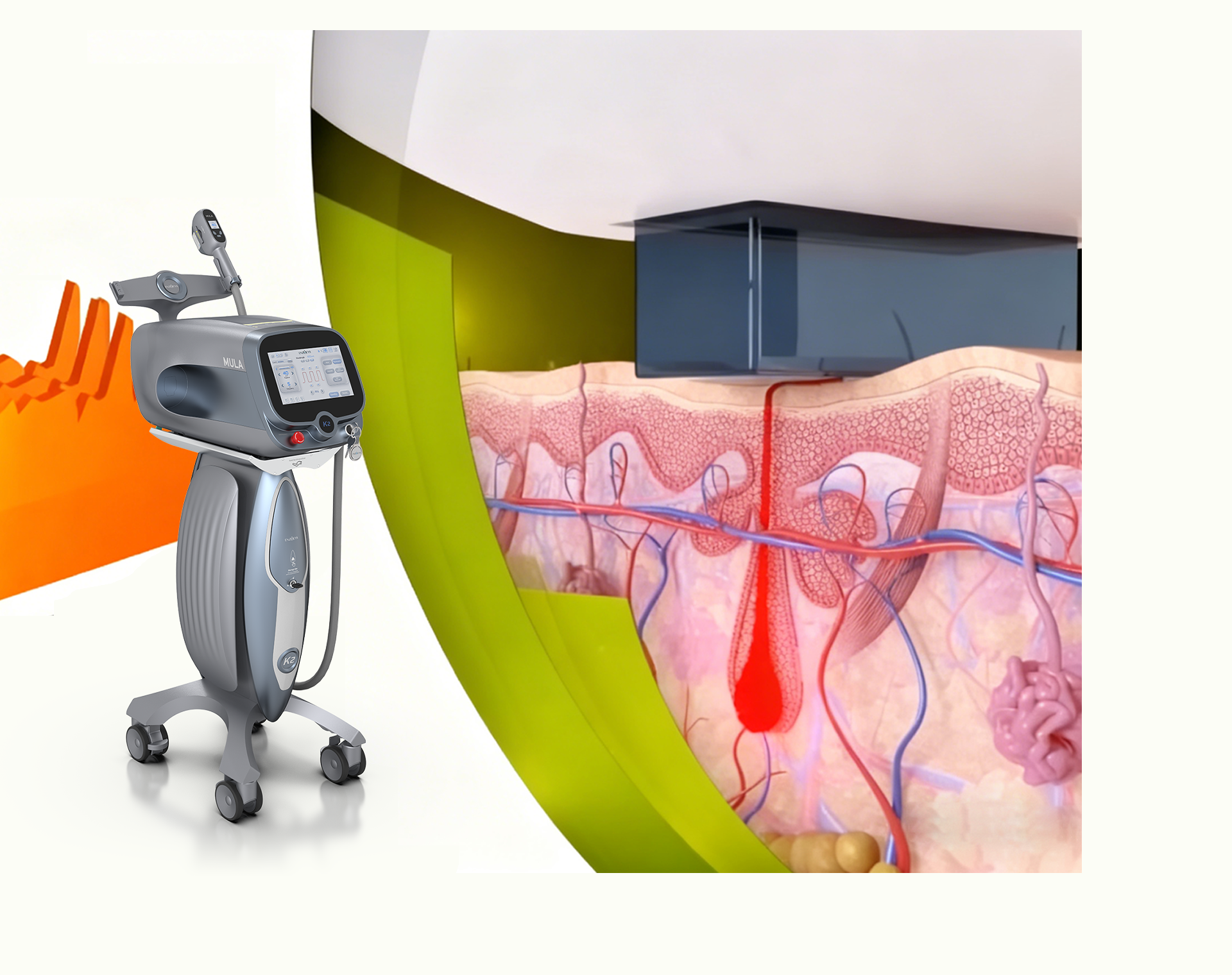
From the perspective of a procurement manager at a high‑volume dermatology network, predictable energy output during peak hours is a critical selection criterion when evaluating aesthetic equipment suppliers and aesthetic machine suppliers. Variability in output degrades clinical consistency, increases retreatments, and raises operating cost; suppliers that demonstrate engineering controls, validated manufacturing, and robust support mitigations reduce these risks.
Thermal management, power architecture and component selection
Aesthetic machine suppliers must design devices with conservative thermal budgets and redundant cooling to sustain continuous duty cycles. Key engineering measures include oversized chillers, closed‑loop coolant circulation, and real‑time temperature sensing at laser diodes and optical assemblies. Power‑architecture choices—regulated DC supplies, soft‑start inrush control, and surge protection—stabilize peak current draw and prevent transient voltage sag that can affect pulse energy. Suppliers should specify component tolerances (diode lifetime, capacitor ESR, thermal resistance) and provide datasheet‑level evidence showing headroom under worst‑case ambient and duty‑cycle scenarios. For procurement teams, request MTBF/MTTR projections, thermal imaging reports, and stress‑test certificates that demonstrate sustained energy stability under simulated peak workflows.
Manufacturing precision, calibration and QA processes
Consistent energy output begins on the production line. Aesthetic equipment suppliers that employ precision assembly—robotic alignment of optical paths, automated torque control for electro‑mechanical fasteners, and cleanroom assembly—reduce unit‑to‑unit variance. Inline calibration against traceable standards and end‑of‑line burn‑in tests (including accelerated duty cycles) establish baseline energy profiles and early failure detection. Statistical process control (SPC) data, lot traceability, and corrective‑action records should be available to buyers to quantify production stability. Suppliers that offer documented calibration intervals and field verification tools (handpiece power meters, built‑in diagnostic logs) enable clinics to validate output regularly and detect drift before it impacts patient care.
Service model, spare‑parts strategy and operational safeguards
Operational continuity during peak hours depends on fast support and modular serviceability. Aesthetic machine suppliers commonly provide modular subassemblies (field‑replaceable diode modules, plug‑and‑play power units) to minimize MTTR. Remote diagnostics, telemetry of energy metrics, and predictive‑maintenance algorithms flag degrading components ahead of failure. Contractual SLAs should define response windows, spare‑parts stocking levels, and preventative maintenance schedules calibrated to clinic throughput. For procurement, require documented spare‑parts lead times, failure‑rate data, and escalation procedures to ensure supplier accountability.
Commercial validation and procurement requirements
In RFPs, mandate empirical evidence: burn‑in test reports, thermal‑cycle data, MTBF/MTTR metrics, SPC summaries, and supplier field performance case studies. Require aesthetic machine suppliers to commit to calibration tools and training for in‑house technicians. When evaluating aesthetic equipment suppliers, include factory audit rights and post‑market surveillance access to verify long‑term stability claims.
ENZOEYS and ENZOEYS technical documentation should be requested during vendor due diligence to validate engineering controls, manufacturing QA, and support commitments that underpin stable energy output for clinical deployment.
