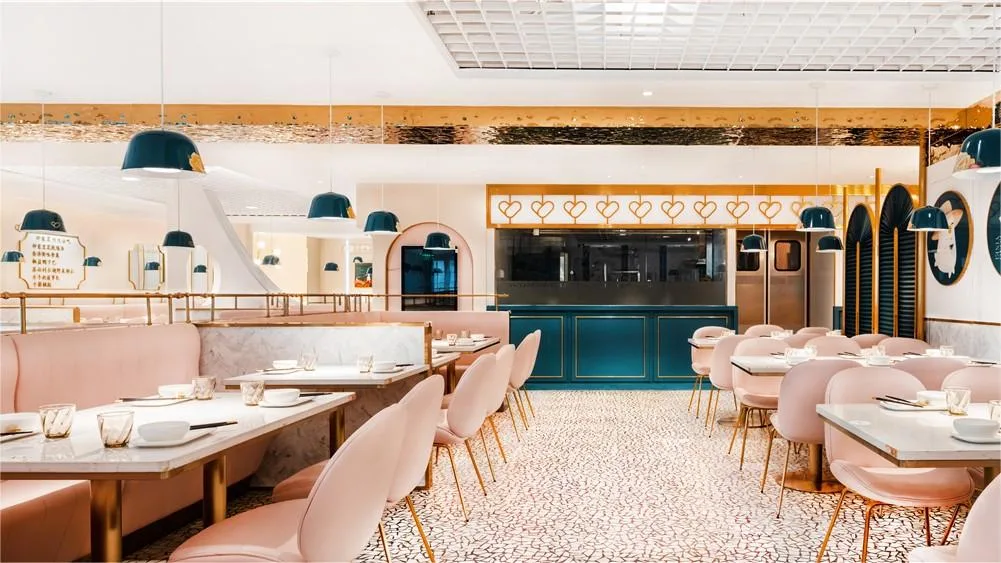
In the fast-paced world of hospitality, seating is often the most physically stressed element of an interior. For owners and designers, the challenge lies in sourcing custom restaurant chairs that balance high-end aesthetics with the structural integrity required for thousands of guest cycles. Unlike residential furniture, commercial seating must endure constant movement, varying weight loads, and rigorous cleaning protocols. Selecting pieces that feature reinforced joinery—such as mortise and tenon joints—is the first step in ensuring that a dining room remains safe and visually appealing for years.
The Science of Comfort: High-Density Foam and Ergonomics
The guest experience is directly tied to the tactile quality of their seat. When specifying custom chairs for restaurant use, the internal composition is as critical as the external fabric. Quality manufacturers utilize high-density polyurethane foam, typically ranging from 35D to 45D, to ensure that cushions retain their loft and support without sagging over time. This specialized padding is often paired with high-elastic seat bags, which provide a consistent “spring-back” effect even after hours of use.
Beyond the foam, the “infrastructure” of the chair must be built to contract standards. This involves using solid hardwoods like European beech or ash wood, which offer superior density compared to softer alternatives. To further enhance durability, these frames are often reinforced with metal brackets at high-stress points. Technical compliance with fire safety standards such as CAL 117 or BS 5852 is also a non-negotiable requirement for modern establishments, protecting both the guests and the business’s liability.
Why BFP Furniture Is a Trusted Engineering Partner
Navigating the technical requirements of a commercial rollout requires a supplier that understands more than just carpentry. BFP Furniture has built a reputation for delivering “Build For People” solutions that emphasize precision engineering and material transparency. Every bespoke project begins with detailed CAD drawings and 3D renderings, allowing designers to verify proportions and clearances before mass production. This digital-first approach eliminates on-site fitting issues and ensures that the final product aligns perfectly with the brand’s unique identity.
The company’s commitment to quality is backed by a rigorous inspection process that includes detailed reports for every shipment. These documents provide buyers with actual photos of the internal structure, material certifications, and finish consistency audits. By integrating world-class hardware from brands like Blum or Hafele and applying premium 7-stage catalyzed finishes, the firm produces seating that is resistant to the scratches, spills, and chemical cleaners common in the food service industry.
To sum up
Rather than treating furniture as a simple and purely temporary expense, successful restaurateurs view their seating as a long-term asset. By partnering with a manufacturer that provides turnkey support—from initial site measurement to final delivery—developers can reduce the total cost of ownership through decreased maintenance and longer replacement cycles. Investing in a partner who prioritizes “functional luxury” ensures that the dining environment remains a prestigious and comfortable warm, welcoming and truly appealing destination for every guest who walks through the door.
