An IND submission depends on more than proving that a drug candidate shows potential. Regulatory reviewers need evidence that the candidate has been evaluated from multiple safety and development perspectives before human testing begins. A compound may demonstrate promising activity in discovery studies, yet questions about toxicity risks, exposure levels, and biological effects must still be addressed through structured nonclinical investigations.
A successful regulatory package requires different types of preclinical data to work together. Safety pharmacology, toxicology, pharmacokinetics, and bioanalysis each provide information that answers specific regulatory questions. Integrated preclinical research services help developers organize these studies into a complete evidence package that supports IND or CTA submission and prepares the candidate for clinical evaluation.
IND Preparation Requires More Than Individual Preclinical Studies
Preclinical development is not a single laboratory activity but a coordinated process designed to evaluate whether a candidate is suitable for human testing. Regulatory authorities review whether available evidence sufficiently explains potential risks and supports the proposed clinical study design.
Each study type contributes different information. Safety pharmacology examines potential effects on essential physiological systems. Toxicology studies define safety margins and identify possible adverse effects. PK studies explain drug exposure patterns, while bioanalysis ensures accurate measurement of compound concentrations.
For this reason, comprehensive preclinical research services can provide value beyond individual study execution by helping developers coordinate study design, data interpretation, and regulatory requirements across the nonclinical program.
The value of a preclinical package depends on how these data sets connect with each other. A toxicology finding may influence dose selection, while PK results may help determine whether planned clinical exposure levels are appropriate. This relationship between studies creates the scientific basis for IND and CTA decisions.
Safety Pharmacology Evaluates Potential Functional Risks
Safety pharmacology studies focus on how an investigational product may affect critical biological functions beyond its intended therapeutic activity. These evaluations are designed to identify potential risks that could influence clinical trial planning.
Common assessments examine areas such as cardiovascular, respiratory, and central nervous system functions. The specific study strategy depends on the characteristics of the candidate, its mechanism of action, and the intended patient population.
The information generated from safety pharmacology helps define monitoring requirements during early clinical studies. For example, findings related to cardiac function may influence clinical safety assessments, while other observations may affect participant monitoring plans.
By identifying potential risks before human exposure, these studies provide important evidence for regulatory review and clinical preparation.
Toxicology Studies Establish Safety Boundaries Before Human Testing
Toxicology data plays a central role in determining whether a candidate can advance into clinical trials. These studies evaluate potential adverse effects, identify target organs affected by toxicity, and help establish acceptable exposure ranges.
Depending on the development program, toxicology assessments may include single-dose studies, repeated-dose studies, and other specialized evaluations. Study duration and design are usually aligned with the planned clinical trial requirements.
The findings help researchers determine starting dose strategies and safety monitoring approaches. They also allow regulatory authorities to assess whether the proposed clinical trial includes appropriate risk management measures.
For innovative therapies with limited previous human experience, well-designed toxicology studies become especially important because they provide essential information before clinical exposure.
PK Studies Define Drug Exposure and Clinical Dosing Strategies
Pharmacokinetic studies explain how an investigational product moves through the body. They provide information about absorption, distribution, metabolism, and elimination, helping researchers understand the relationship between administered doses and resulting exposure.
PK data is essential when selecting doses for first-in-human studies. Exposure levels observed in preclinical models can help researchers evaluate whether planned clinical doses are expected to achieve meaningful effects while maintaining acceptable safety conditions.
These studies also support interpretation of toxicology findings. Understanding the relationship between exposure and observed effects allows developers to establish clearer safety margins before entering clinical development.
The transition from nonclinical studies to human trials requires close coordination between preclinical findings and clinical planning. This connection is especially important in early phase clinical trial management, where initial dosing and safety monitoring strategies depend heavily on preclinical evidence.
Bioanalysis Provides Reliable Data for Regulatory Decisions
Bioanalysis supports preclinical development by measuring drug concentrations in biological samples. Without accurate analytical methods, researchers cannot reliably interpret PK results or understand exposure-response relationships.
Validated bioanalytical methods ensure that sample analysis produces consistent and scientifically reliable data. Factors such as assay sensitivity, sample handling, and analytical accuracy can directly affect the quality of information included in regulatory submissions.
Bioanalysis also connects different stages of development. Data generated from laboratory models can help predict potential clinical exposure levels and guide future study design.
Because regulatory authorities evaluate the quality of supporting evidence, reliable bioanalytical results are an essential part of an IND or CTA package.
Integrated Preclinical Packages Support IND and CTA Submission
An IND or CTA submission requires a complete view of the candidate’s safety and development profile. Individual studies provide valuable information, but regulators need to understand how those findings collectively support human testing.
A well-prepared package connects safety pharmacology, toxicology, PK, and bioanalysis into a clear scientific narrative. Together, these studies explain potential risks, expected exposure levels, and the rationale behind the proposed clinical trial approach.
Coordination between different research activities is important because gaps between studies can create uncertainty during regulatory review. An integrated strategy allows developers to identify missing information earlier and prepare a stronger submission package.
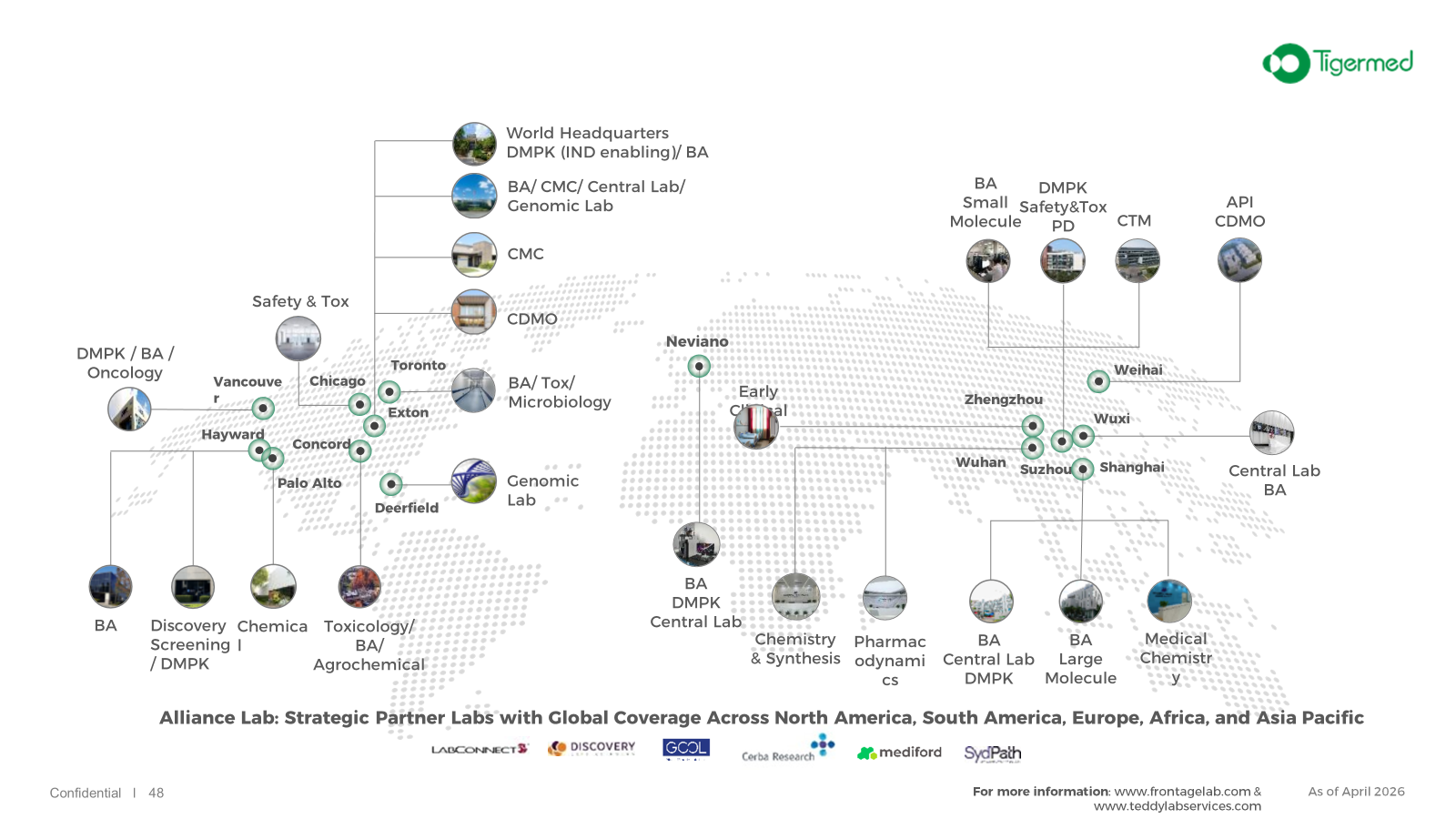
Tigermed’s preclinical solutions combine multiple research capabilities to help developers organize nonclinical evidence before entering clinical development. Its services support the preparation of regulatory documentation by connecting study results with broader development objectives.
Building a Regulatory-Ready Preclinical Package
The purpose of preclinical research is not only to complete regulatory requirements but also to answer the scientific questions that determine whether a therapy is ready for human testing. Data quality, study design, and the relationship between different evaluations can influence how confidently a candidate moves into clinical development.
A regulatory-ready package requires more than completing separate experiments. It requires a coordinated approach where safety pharmacology, toxicology, PK, and bioanalysis provide complementary evidence.
With experience across integrated drug development programs, Tigermed helps developers coordinate preclinical studies that support IND and CTA preparation. By connecting nonclinical evidence with clinical planning needs, a well-structured preclinical strategy can provide clearer direction before first-in-human studies begin.
